
SUMMARY HIGHLIGHTS
- The gigantic floats on display at Nebuta Museum Wa Rasse are a must-see.
- Three of Marc Chagall’s colossal backdrops for the Aleko ballet are part of Aomori Museum of Art’s permanent collection.
- The Sannai-Maruyama Site is one of the most important archaeological sites in Japan.
Being one of the northernmost cities on Honshu, and the snowiest in Japan, I was intrigued about visiting Aomori in the dead of winter. My JR East Pass would get me all the way there, and it was a great way of maximizing the pass’s value.
I asked Reddit for recommendations on the best things to do in Aomori City, and nokkedon – a DIY seafood rice bowl made popular by the Gyosai Center – was a frequent suggestion. But beyond that, people seemed to be lukewarm about the city in general.
I visited with few expectations, and it was easy to see why so many people were unenthusiastic about it. With a more rural vibe, Aomori surely isn’t the most exciting city, but one thing about it did surprise me – it’s home to some of the most interesting museums I’ve visited so far in Japan.
If you’re planning on spending a day in Aomori, then these four museums should be on your itinerary.
VISIT AOMORI QUICK LINKS
To help you make the most of your time in Aomori, I’ve put together links to recommended hotels, tours, and other travel-related services here.
HOTELS
Recommended hotels near Aomori Station, one of the most convenient areas to stay for first-time visitors to Aomori.
- Luxury: Daiwa Roynet Hotel Aomori
- Midrange: HOTEL MYSTAYS Aomori Station
- Budget: バンビハイツ長島302
EXPERIENCES
- Sightseeing Tour: Private Custom Tour with a Local Guide
- Nebuta Tour: Private Museum Tour and Festival Backstage Visit (or Lantern Creation)
- Izakaya Tour: Izakaya & Bar Hopping Tour Around Aomori Station
- Market Tour: Local Market Tour & DIY Seafood Bowl (Nokke-don)
- Gastronomic Experience: Modern French Meets Aomori Tradition
- Cooking Class: Cooking Classes in Aomori
OTHER SERVICES
- Travel Insurance (non-US residents get 5% off)
- JR East Pass
- Japan Rail Pass
- Japan eSIM
MUST-SEE MUSEUMS IN AOMORI
Nebuta Museum Wa Rasse
Google Maps: Nebuta Museum WA RASSE
Nebuta Museum Wa Rasse is probably the most well-known museum in Aomori. It gives visitors a chance to appreciate the spectacular floats showcased in the Nebuta Matsuri, a Tanabata-related summer festival held in early August each year.
Widely considered to be one of the most visually striking festivals in Japan, these colorful, gigantic floats portray various types of gods, kabuki performers, legendary and historical figures from Japanese and Chinese folklore, famous regional personalities, and characters from popular Japanese television shows1.
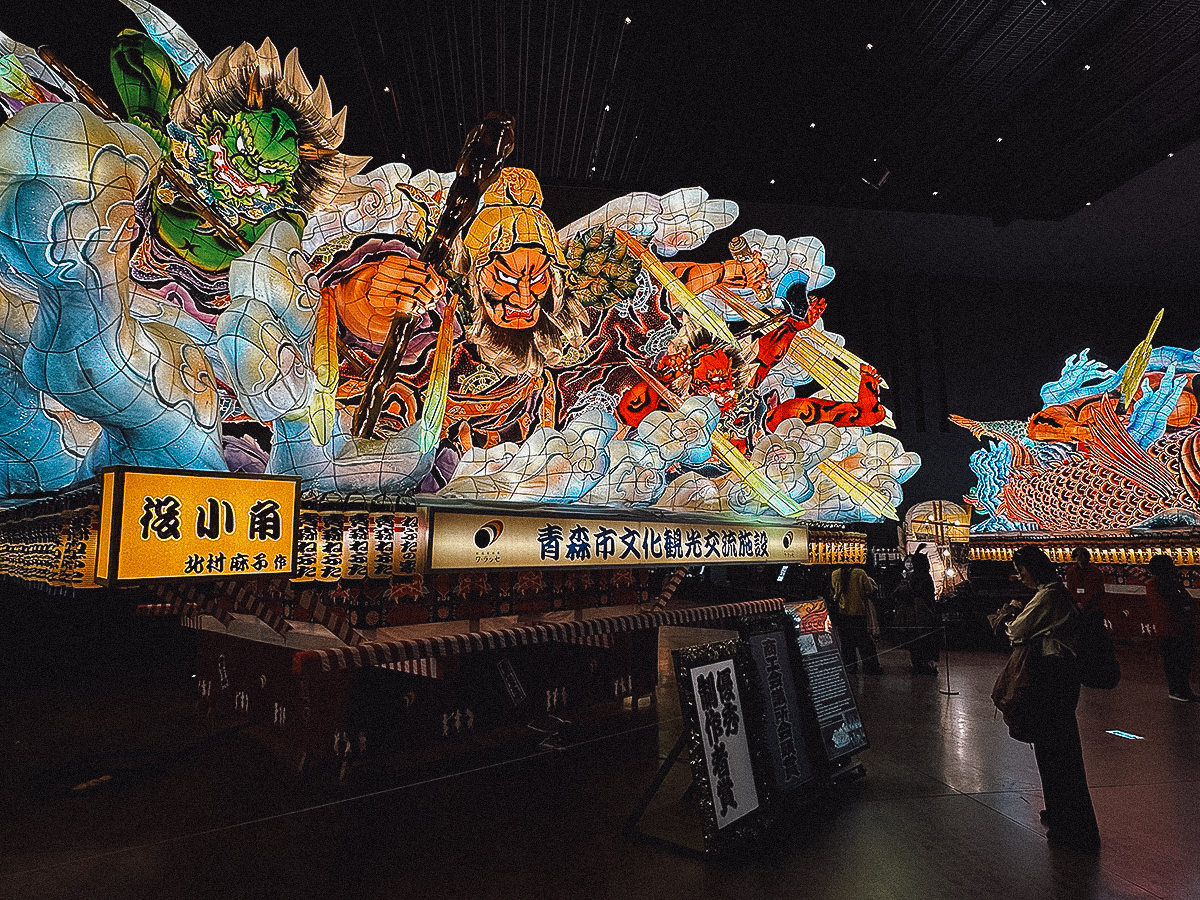
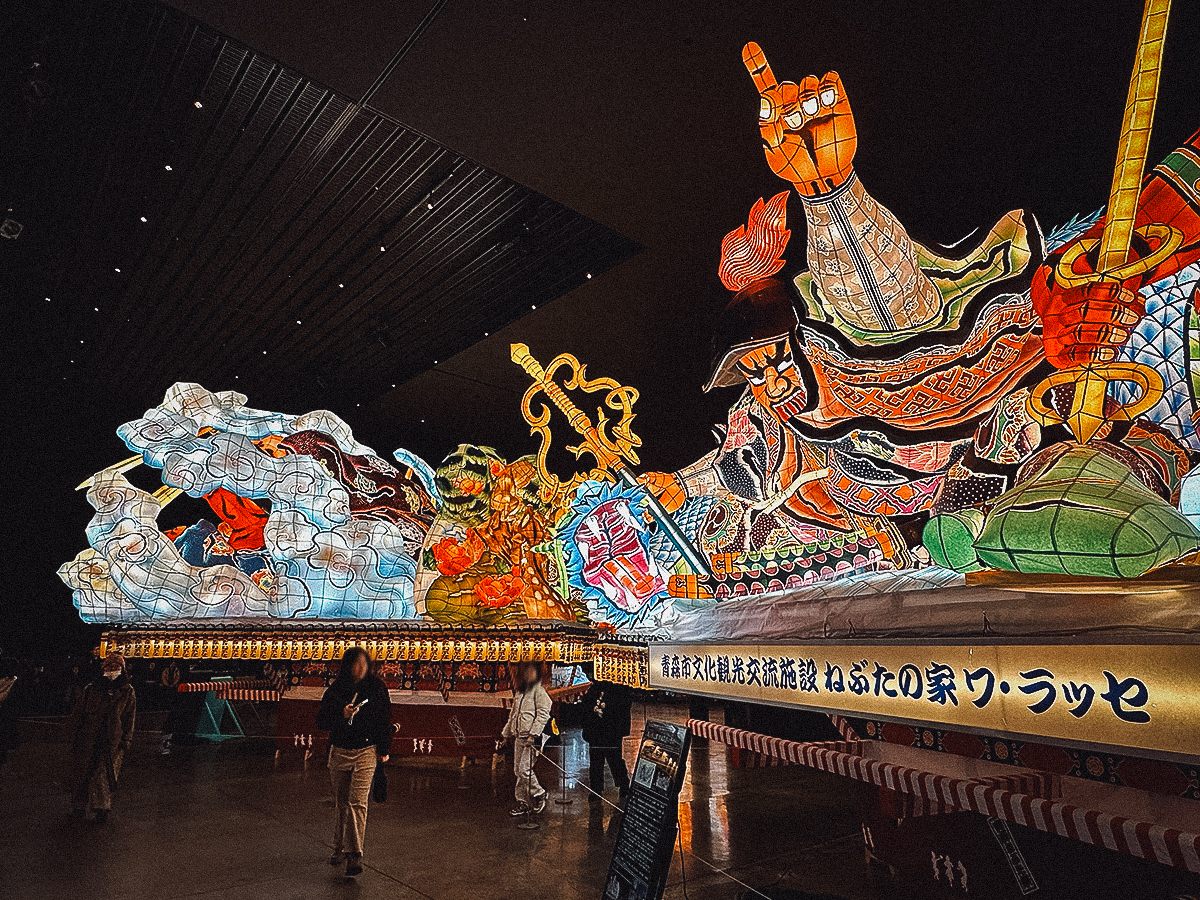
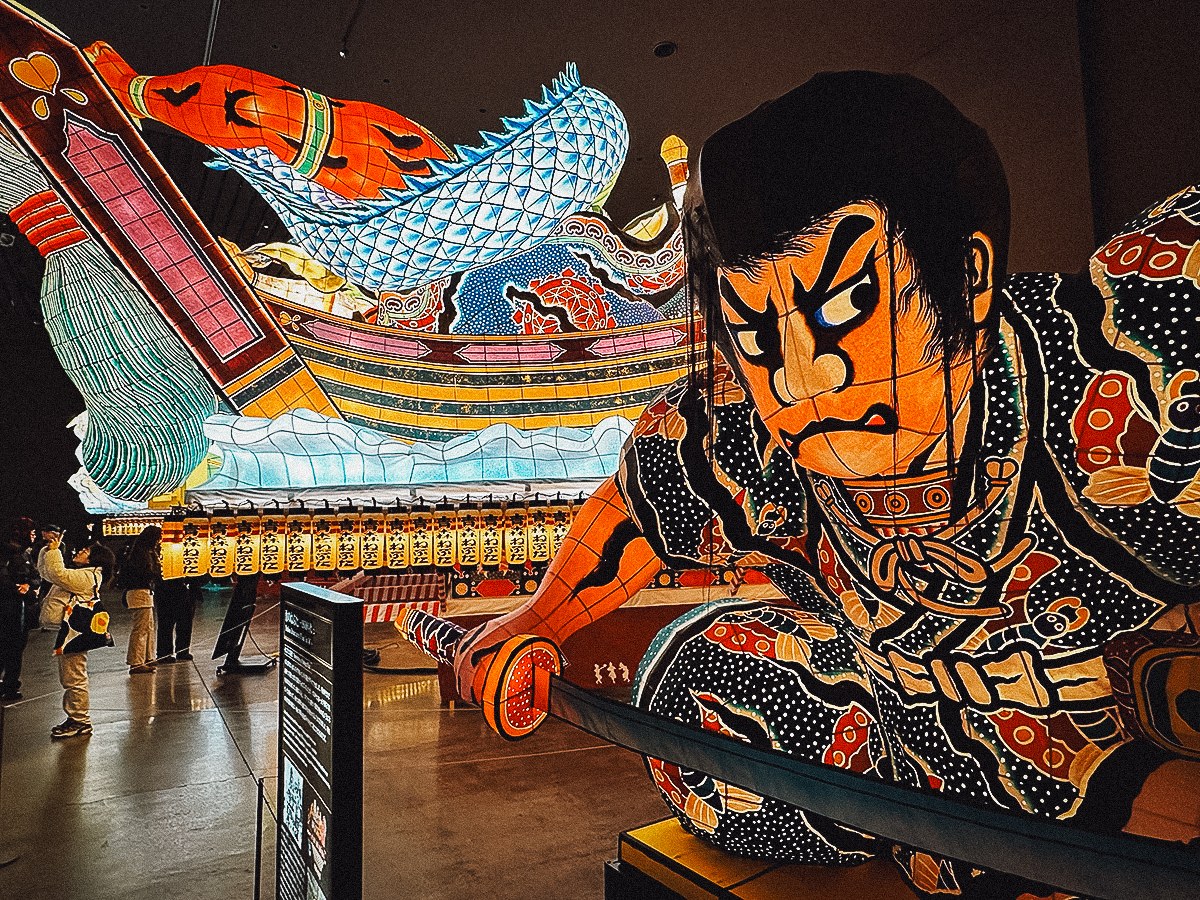
It’s difficult to fully appreciate from photographs alone, but these Nebuta floats are enormous and remarkably three-dimensional. While the hand and arm of the figure below may appear flat, they actually extend outward from the float, giving it an impressive sense of depth and movement. The same goes for the swords and other elements of the float.
Pictures simply do not do these floats justice. I was intrigued when I first saw them over the internet years ago, but they’re a thousand times more striking and impressive when viewed in person.
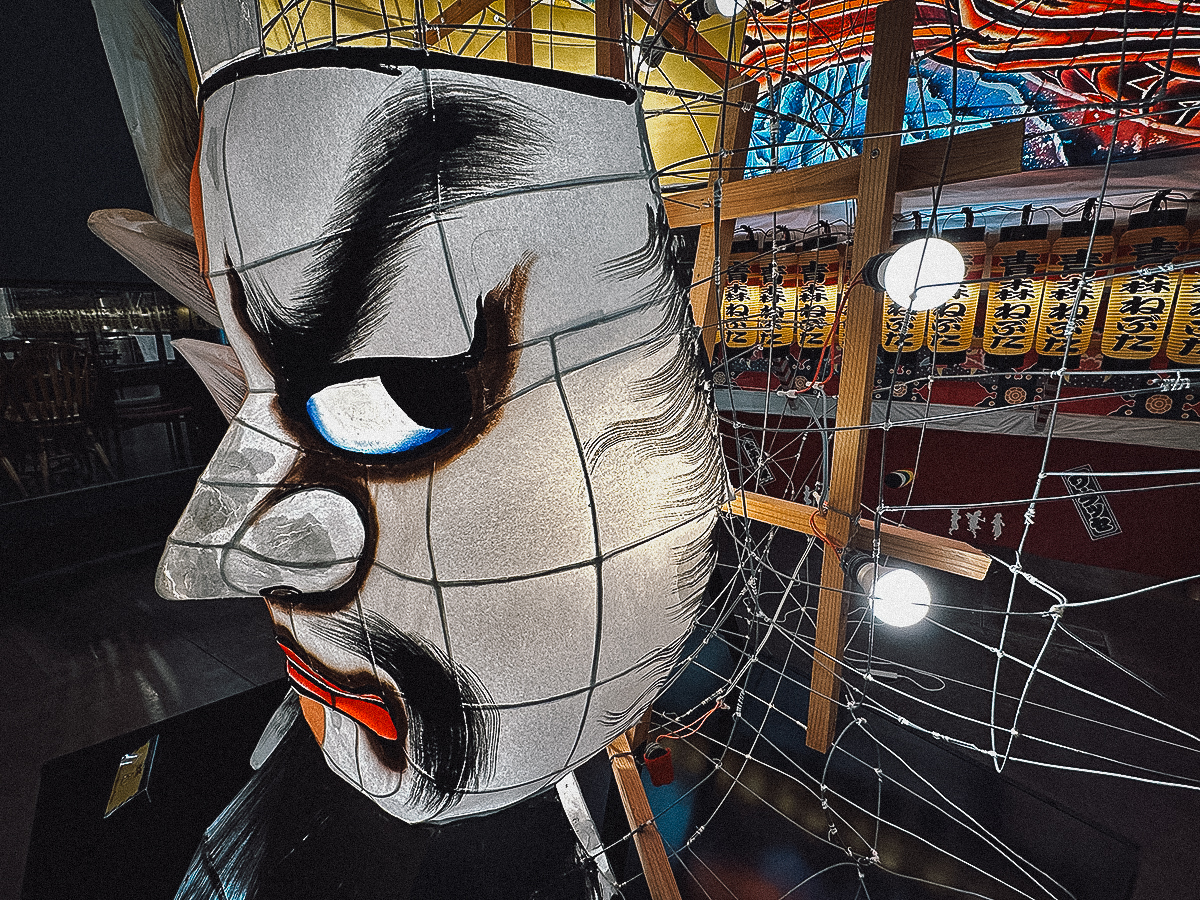
To give you a better sense of their construction, this display features a frame that’s only partly covered with paper. Washi paper is meticulously painted before being laid over a wire frame, sort of like a sculptural collage.
Around two dozen floats are constructed for the festival every year. Measuring up to 9 meters wide (29.5 ft) and 5 meters tall (16.4 ft), each float can take up to a year to design and construct2.
Lit from within, the Nebuta floats look especially dramatic at night. The Nebuta Museum is kept dark at all times to allow visitors to fully appreciate the vividness of the floats.
JAPAN TRAVEL DEALS
Planning a trip to Japan? Enjoy up to 50% off on selected experiences and activities with Klook and Get Your Guide. Click on the links for a list of discounts, promo codes, and limited-time offers.
I didn’t come at the right time, but the museum also features haneto dancing experiences at specific times of the day. During the festival, taiko drummers and hundreds of haneto dancers follow the procession as the floats are paraded through the streets of Aomori.
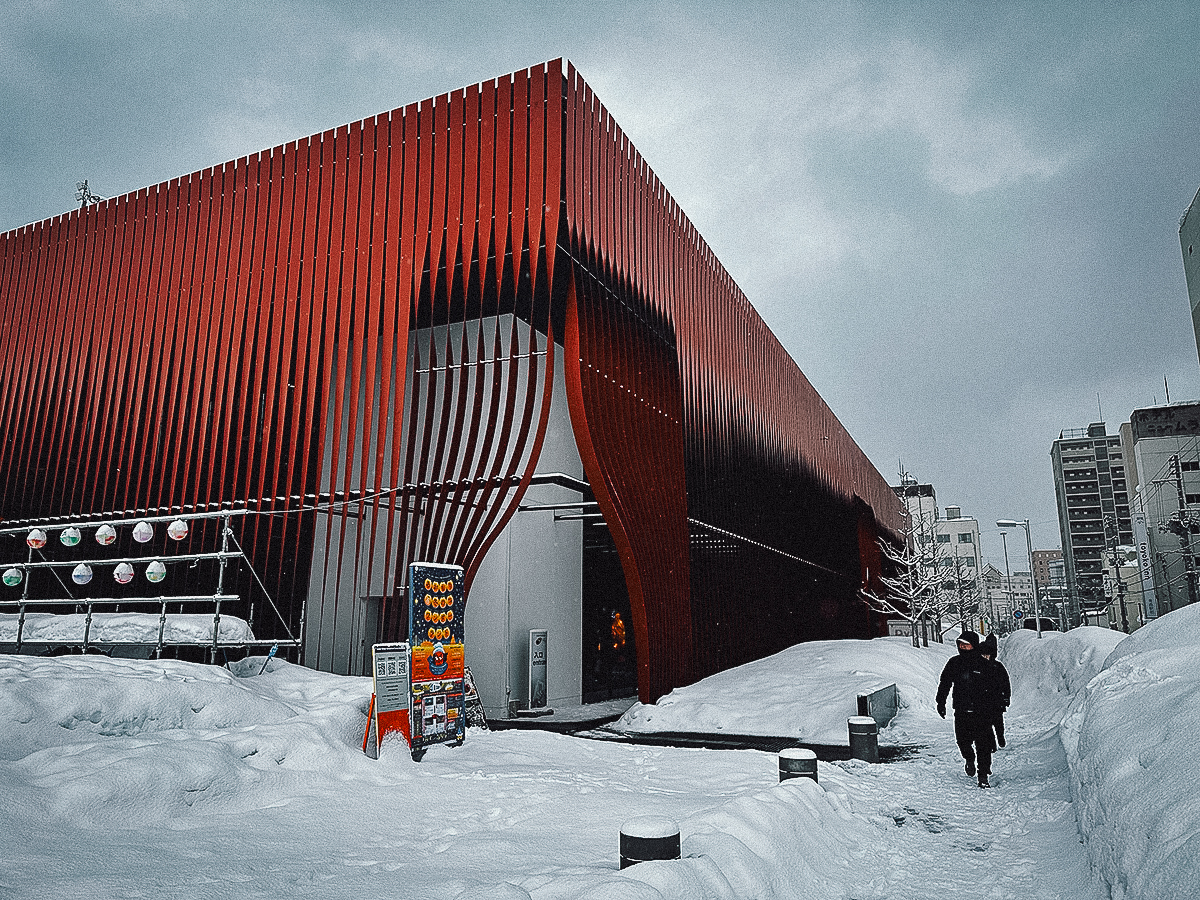
Located just outside Aomori Station, Nebuta Museum’s facade is just as striking as its exhibits.
Hakkoda-maru Memorial Ship
Google Maps: Seikan Train Ferry Memorial Ship Hakkōda-maru
Not too far from Nebuta Museum is the Hakkoda-Maru Memorial Ship, a train and passenger ferry that once connected Aomori in Honshu with Hakodate in Hokkaido. From 1966 until 19883, it transported passengers and entire trains through the Tsugaru Strait, until the opening of the Seikan Tunnel made many of these ferries obsolete.
Today, the Hakkoda-Maru is permanently moored in Aomori Port, preserved as a floating museum that allows tourists to revisit this unique period in Japan’s transport history.
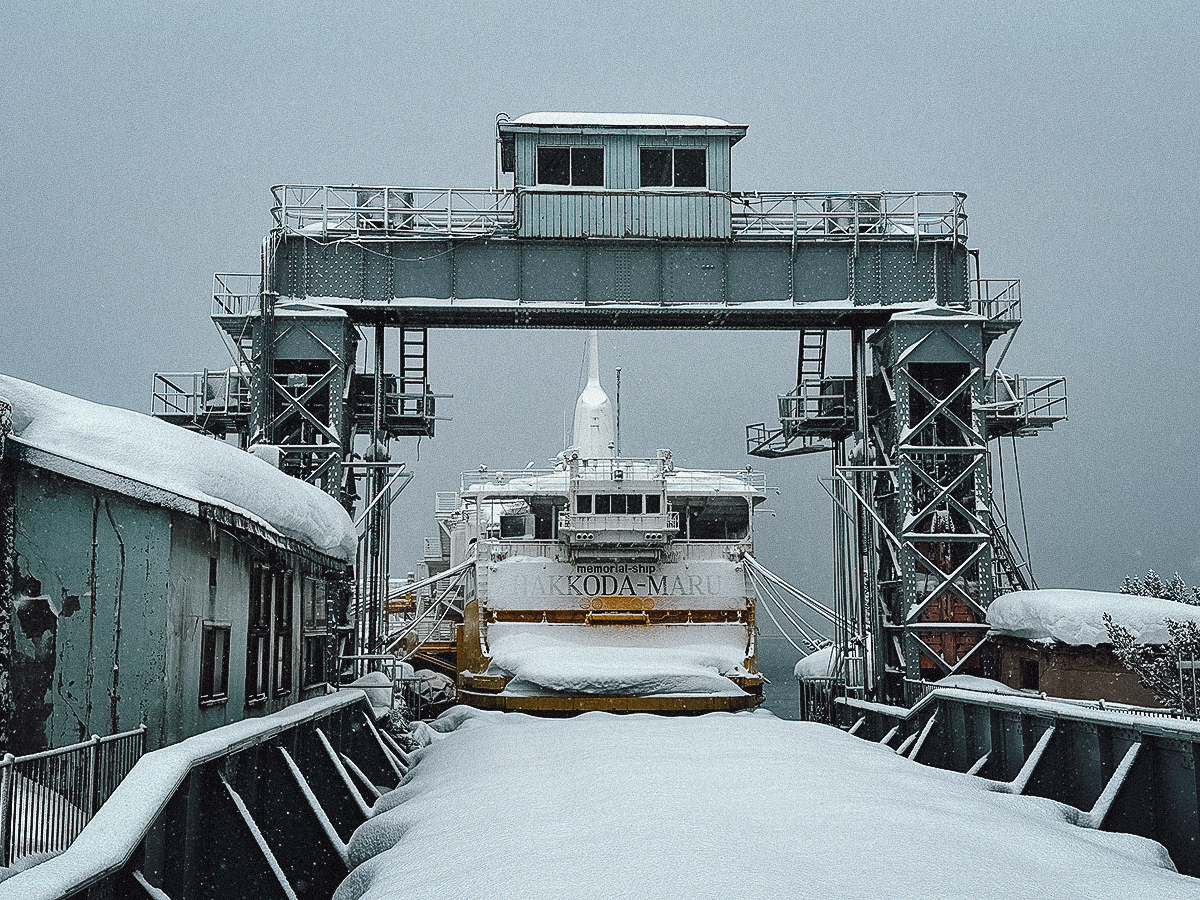
A visit to the Hakkoda-Maru features a self-guided tour that leads visitors through most of the ship. It’s well-curated and easy to follow with some English translations throughout.
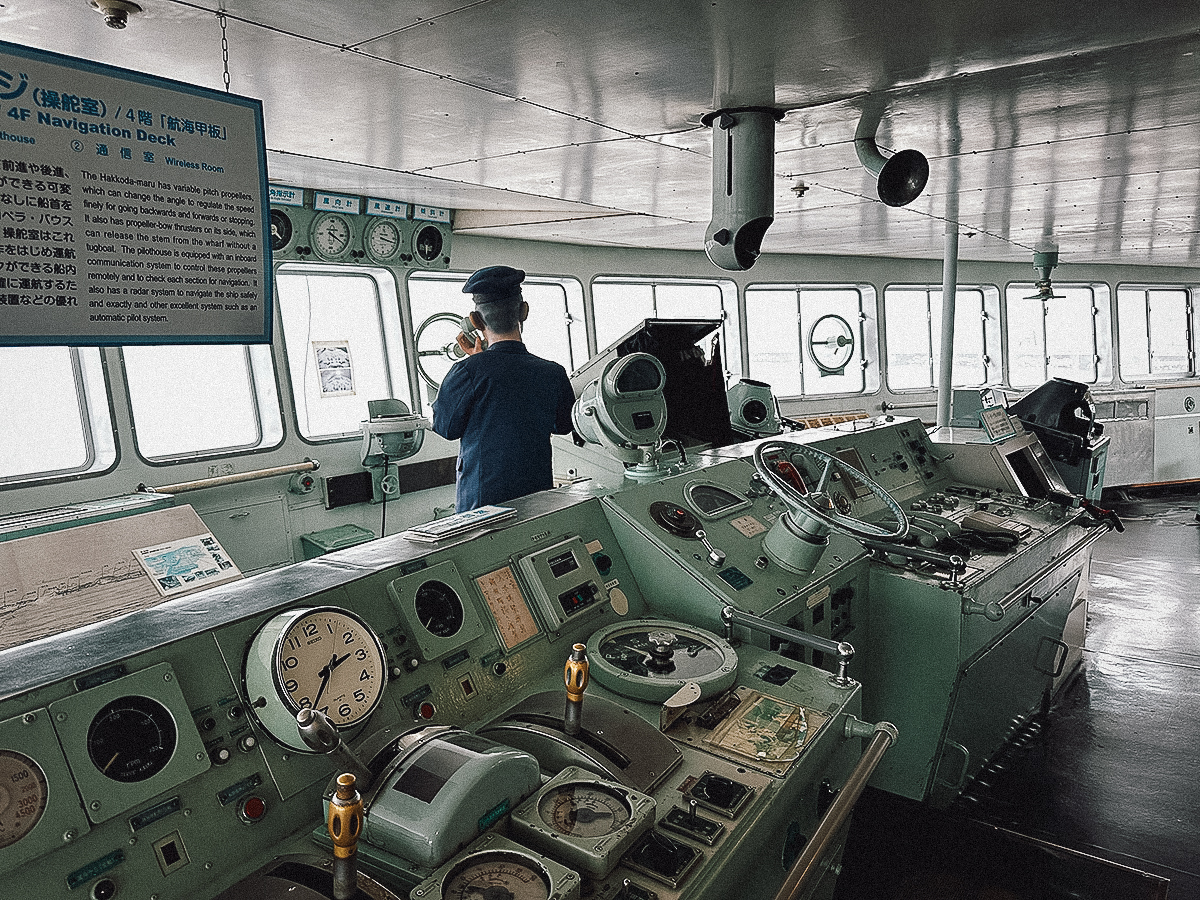
Pictured below is the ship’s bridge with a life-sized diorama of the captain.
The ship’s promenade deck features various photo displays and life-sized dioramas depicting everyday life in Aomori Port.

Here’s a look at one of the ship’s well-preserved cabins. Note the retro interiors and period details from the ship’s operating days.
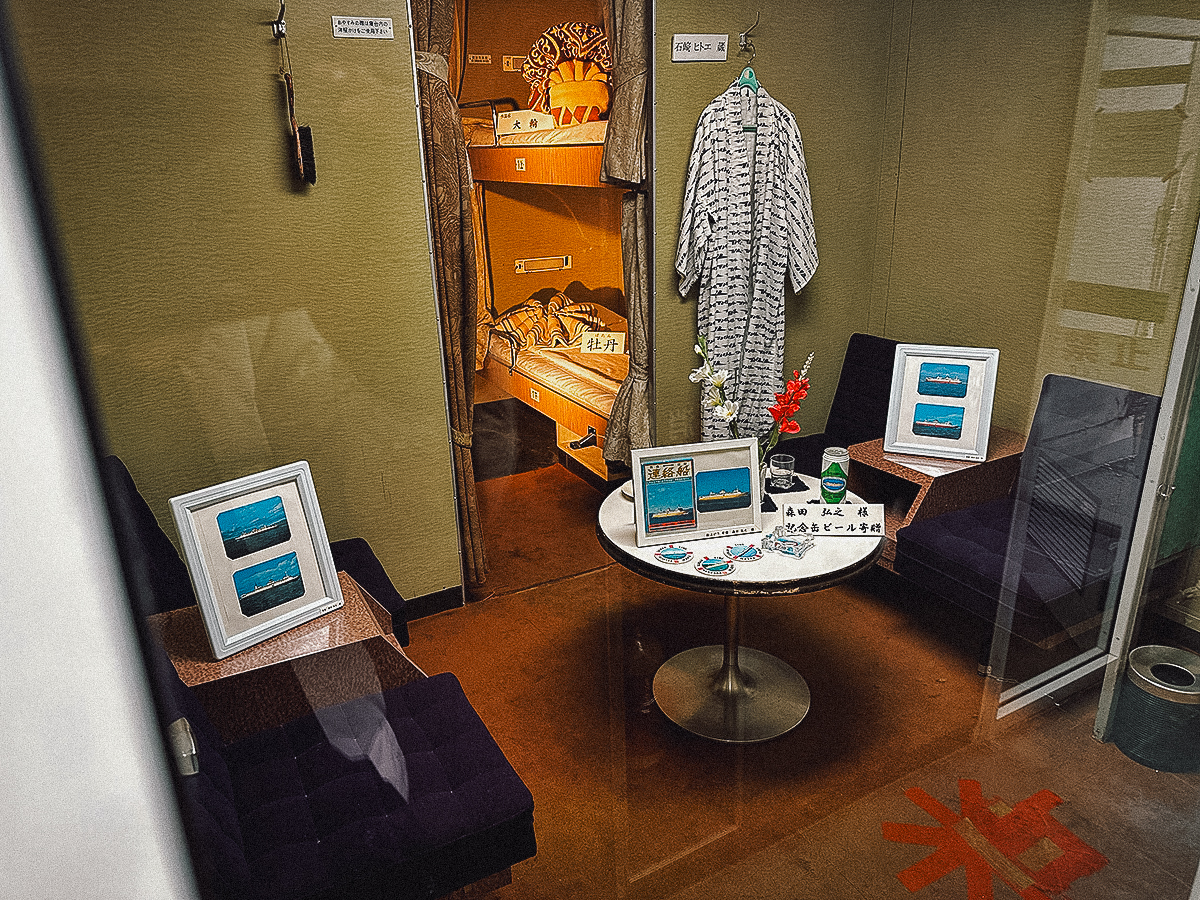
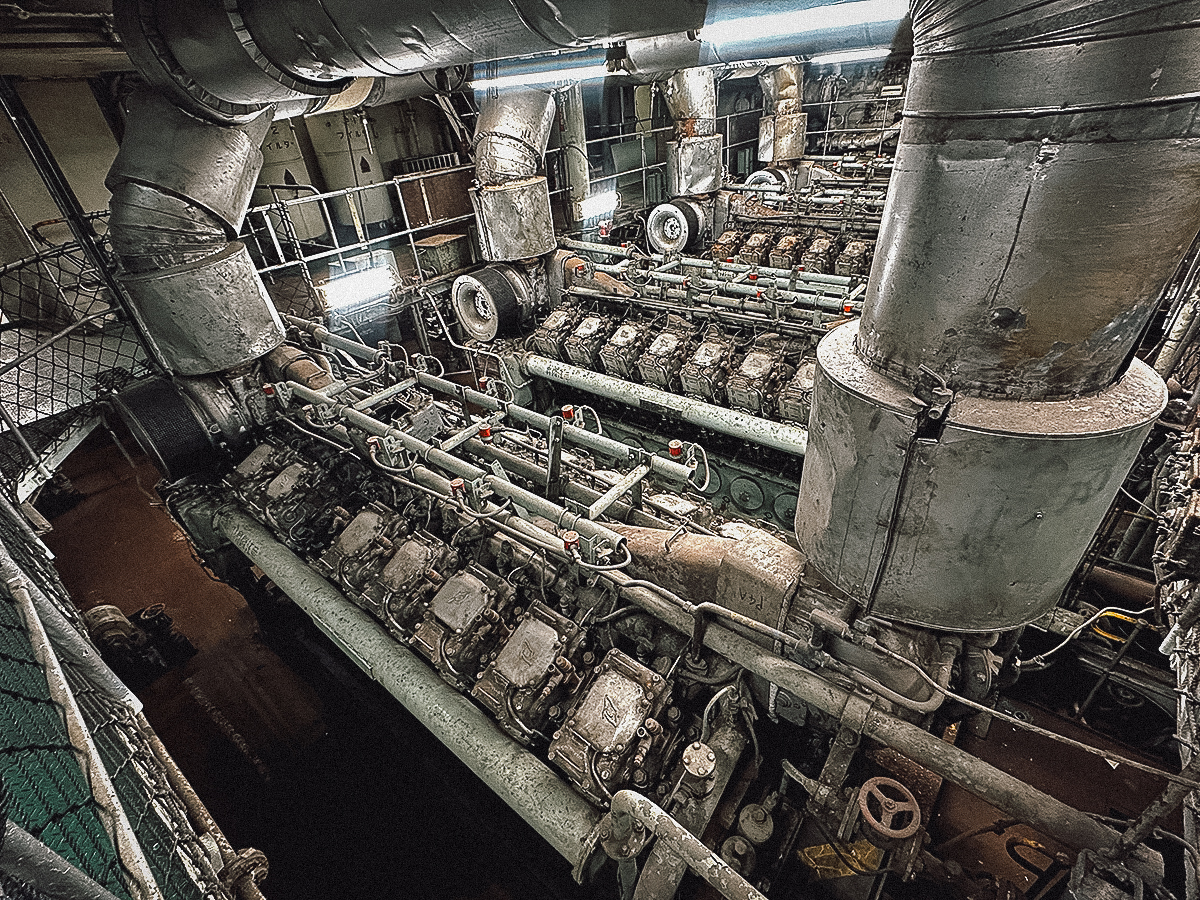
The dioramas and cabins are mildly interesting (and a bit creepy), but in my opinion, the most fascinating parts of the ship are in its lower bowels. Pictured below is the Hakkoda-Maru’s massive engine room.
The maze of pipes and gauges gives the space an almost industrial sci-fi atmosphere. I can only imagine how loud this room must have been when the engines were still in operation.
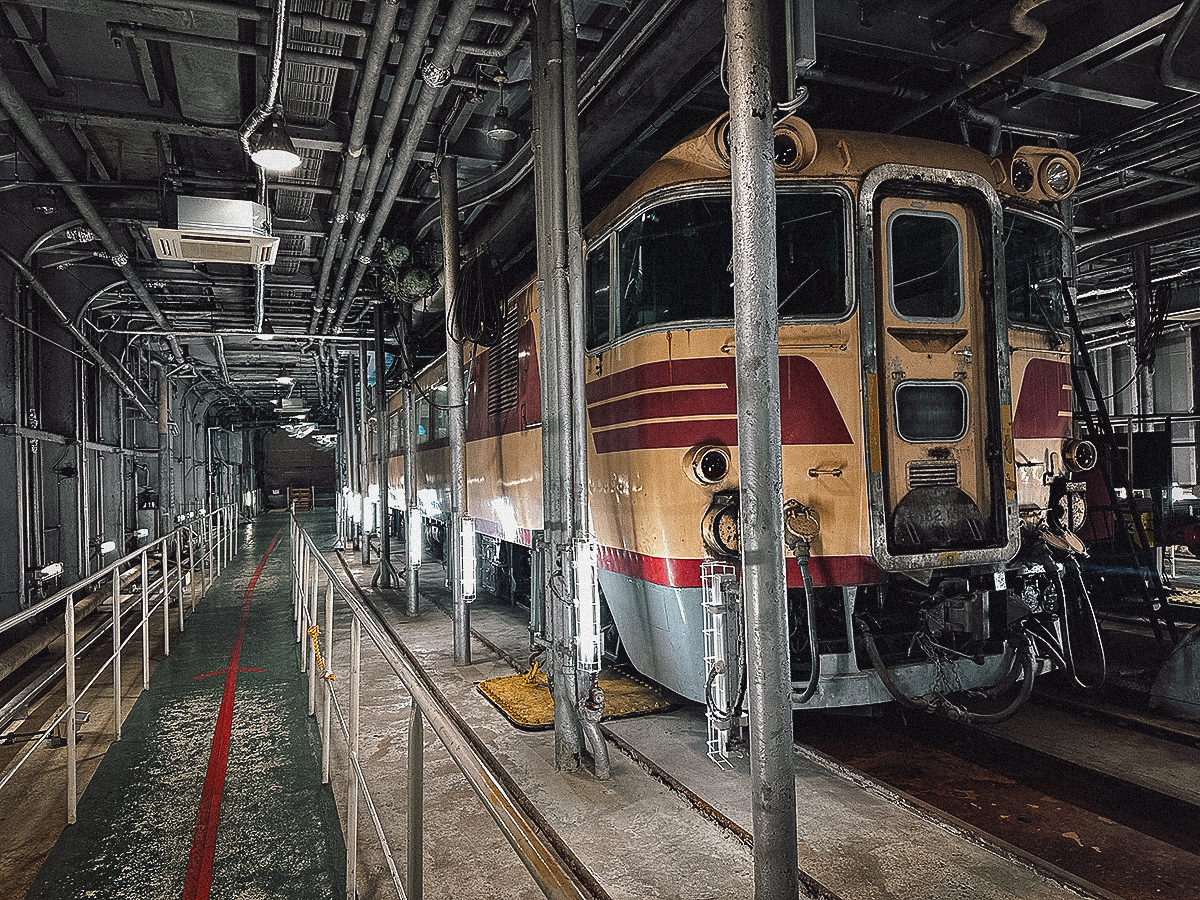
The ship’s cavernous vehicle deck is what makes the Hakkoda-Maru truly unique. Entering the ship through a rear hatch, it could hold up to 48 rail cars on four separate tracks. A few historic trains remain on display, including a diesel locomotive, an express car, and a mail car4.
Aomori Museum of Art
Google Maps: Aomori Museum of Art
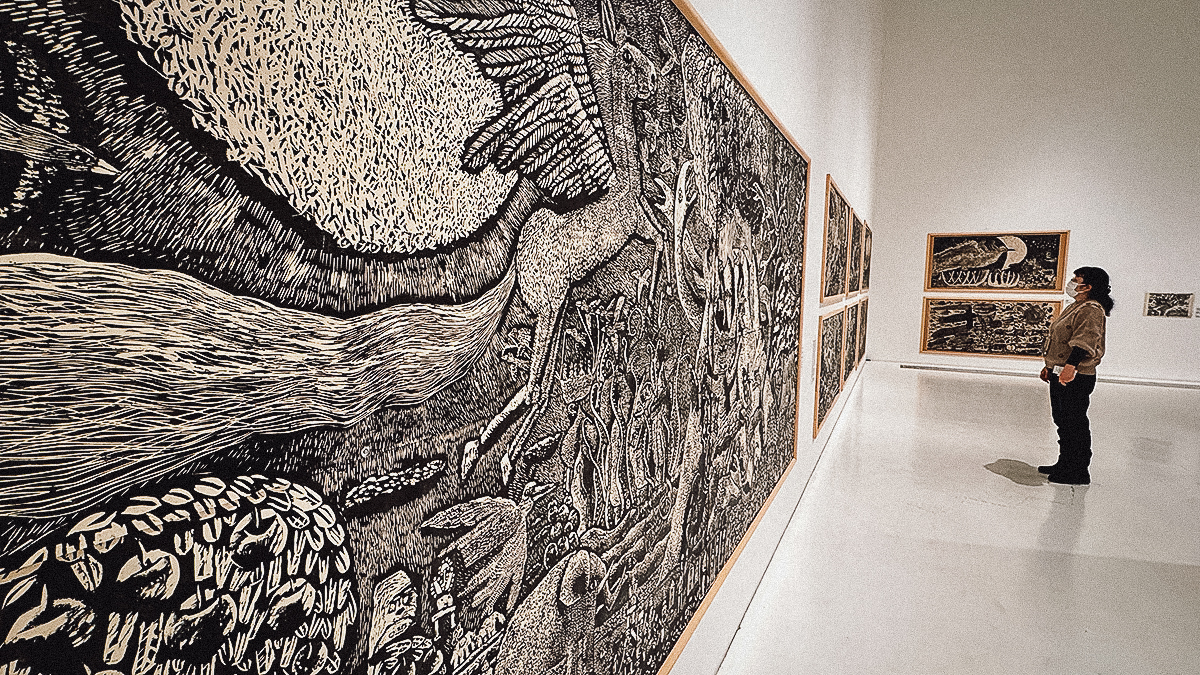
If you like contemporary art, then you won’t mind catching a bus to the Aomori Museum of Art. Featuring an impressive collection of local and international art, it’s widely regarded as one of the best art museums in northern Japan.
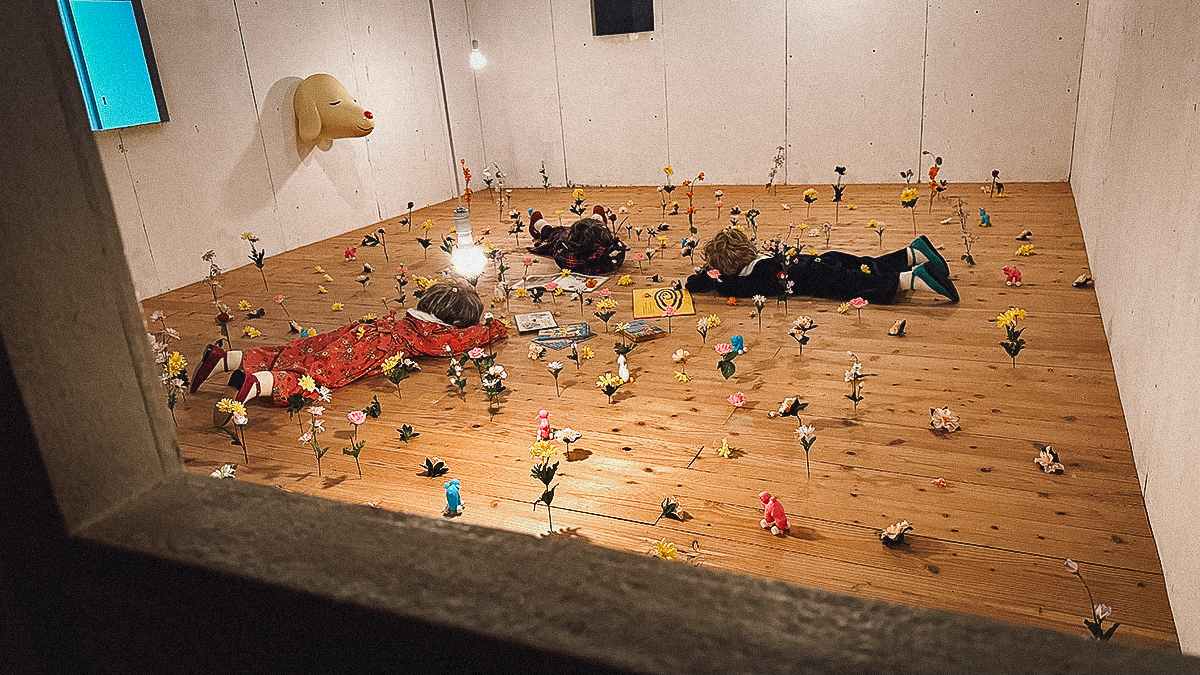
Titled Hula Hula Garden, this installation by internationally renowned Aomori artist Yoshitomo Nara is as unsettling as it is whimsical. Are the kids sleeping? Are they dead? Are they even kids at all?? They look like they could jump up and start tormenting you at any moment.
What makes it even more unnerving is that the viewer can only interact with the piece through these small cutouts in the walls, making you feel like you’re an intruder in their strange, private world. Cue the eerie carnival music.
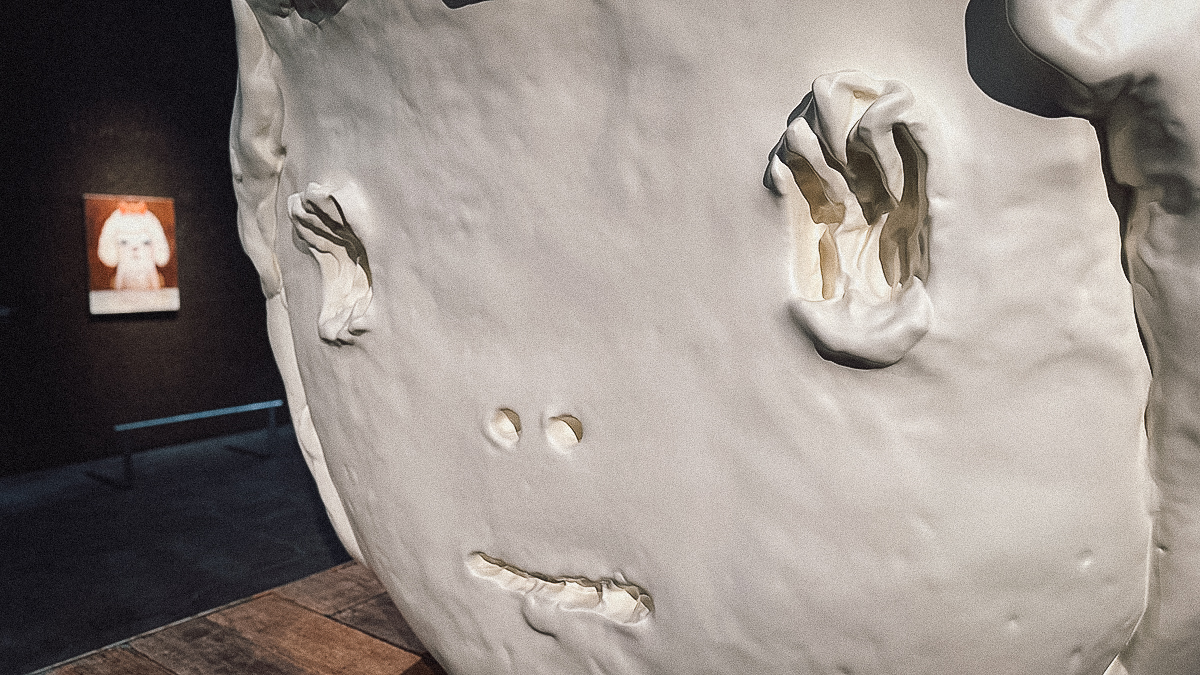
Also by Yoshitomo Nara, this large sculpture resembles something a kid would make with Play-Doh. Titled Ennui Head, note the figure’s eyes that look like they were dug out by hand. I was intrigued by the childlike rawness and aggression of this piece.
Nara’s works feature prominently at the museum, including Aomori Dog – one of the space’s most iconic and recognizable pieces.
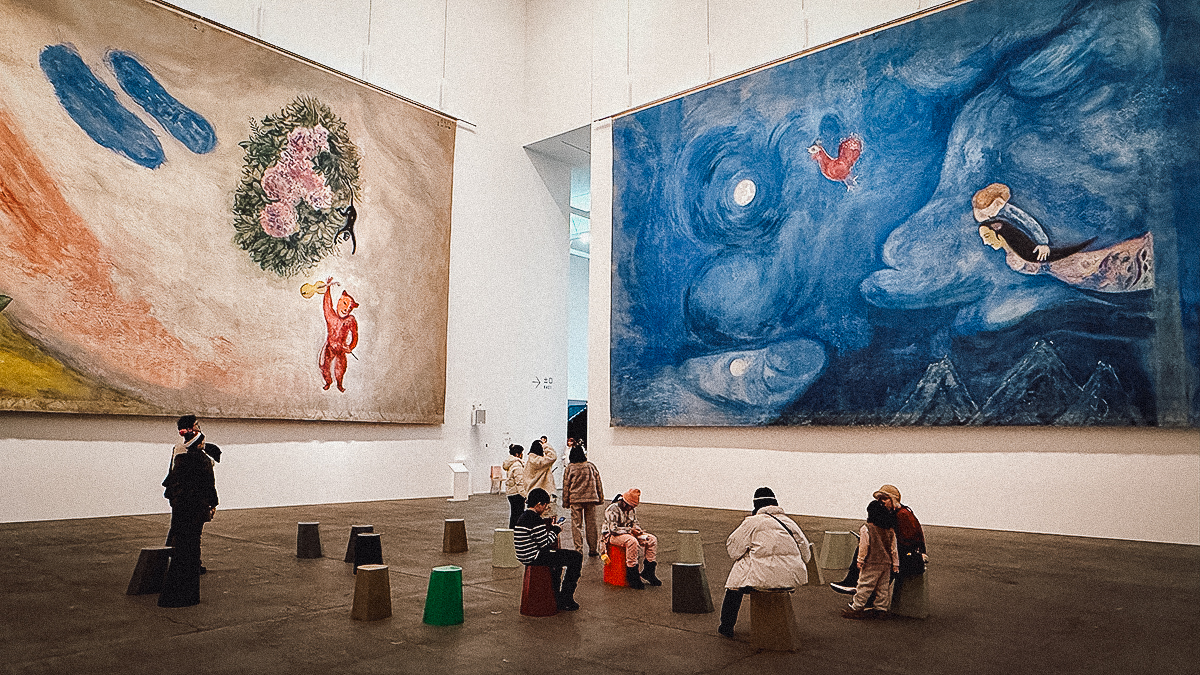
Marc Chagall isn’t one of my favorite artists, but seeing these gigantic stage backdrops in person was seriously impressive. Each measuring roughly 9 meters high (29.5 ft) and 15 meters wide (49.2 ft), they’re displayed in the museum’s Aleko Hall, named after the ballet for which the paintings were originally commissioned.
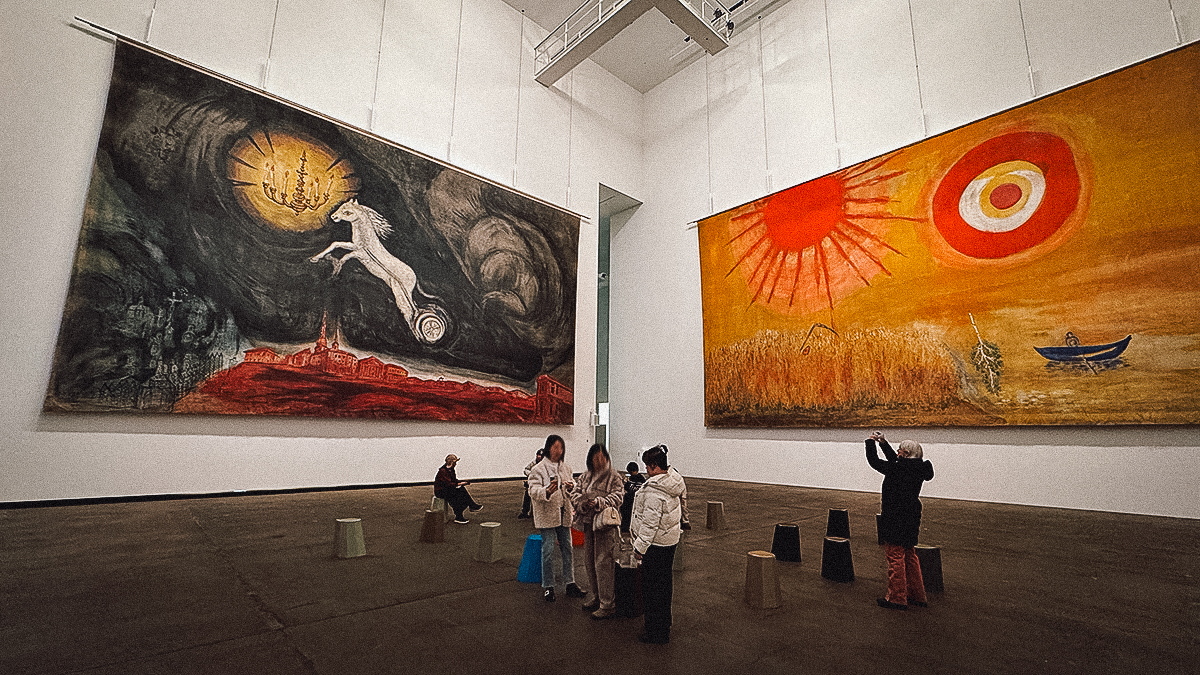
Three of the backdrops are part of the museum’s permanent collection, while the fourth was here on loan from the Philadelphia Museum of Art.
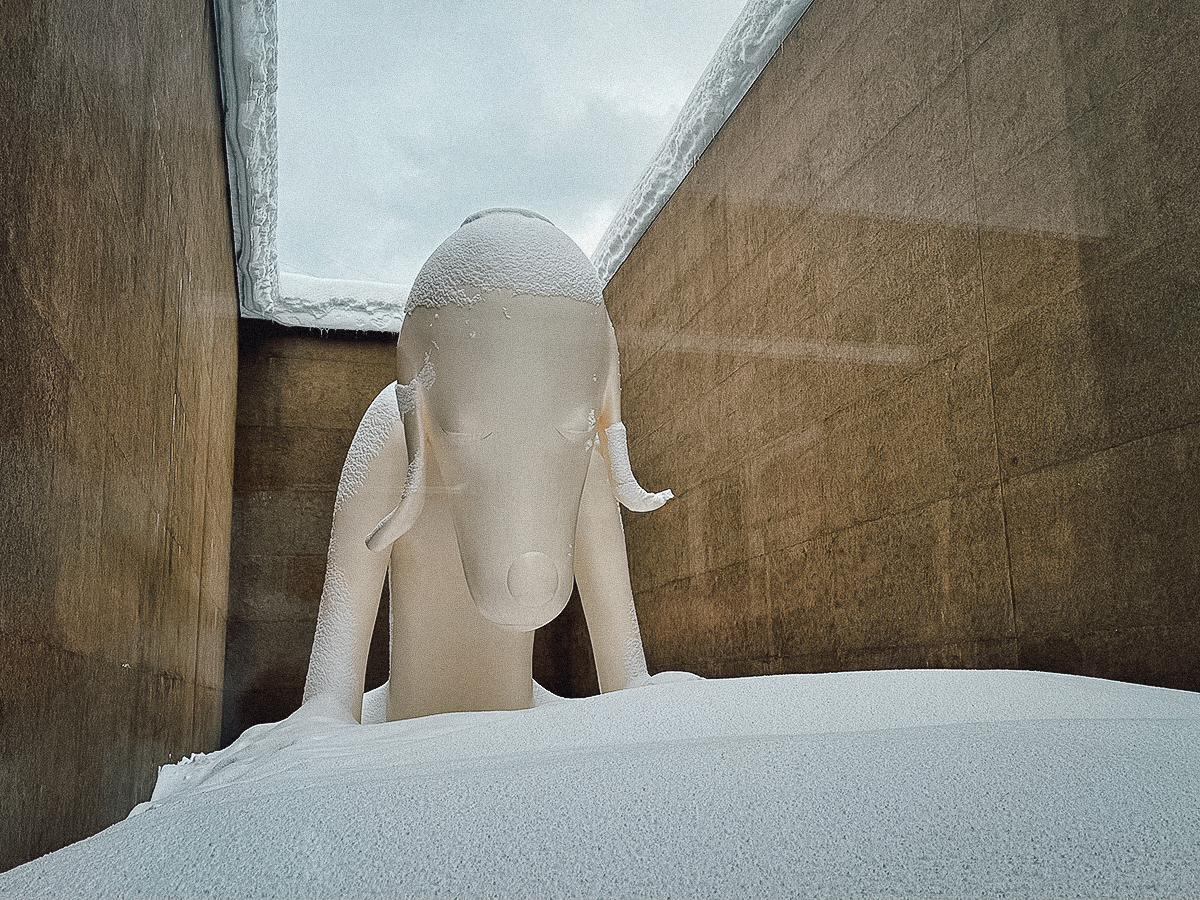
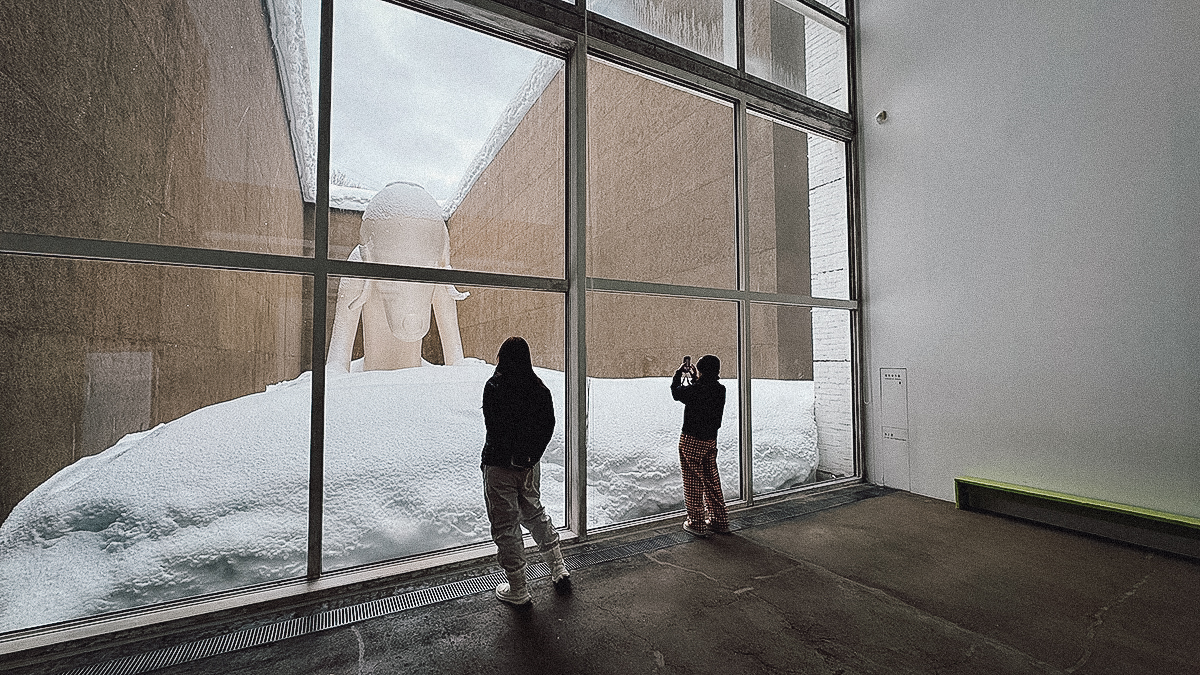
This was the piece I was most excited to see. Measuring a colossal 8.5 meters tall (27.9 ft) and partly covered in snow, it’s the aforementioned Aomori Dog by Yoshitomo Nara.
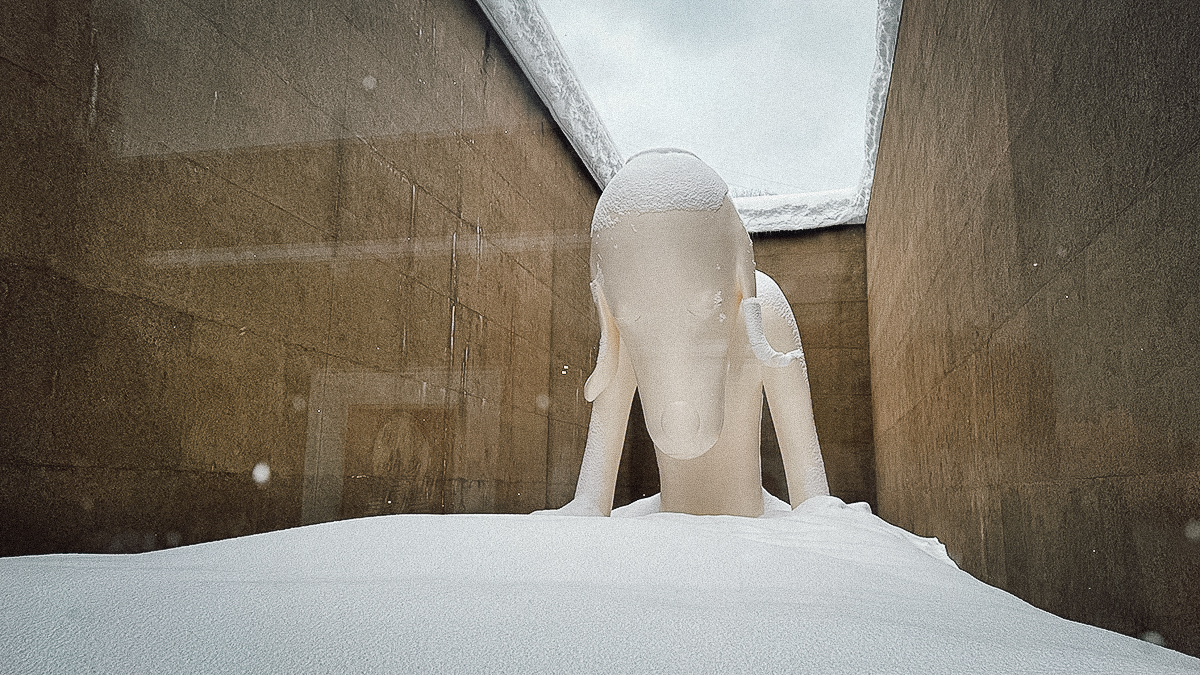
For obvious reasons, this outdoor courtyard is inaccessible in winter, but visitors can get closer to the sculpture when weather conditions are more favorable.
Speaking of unfavorable weather, the building itself is a work of art. Partially embedded into the ground, the museum’s design draws inspiration from the nearby Sannai-Maruyama archaeological site, the fourth and final museum on this list.
Unfortunately, I couldn’t get any meaningful pictures of the building’s facade with the museum half-buried under Aomori’s legendary snowfall.
A quick note on the Sannai-Maruyama site, I was planning on visiting after the Aomori Museum of Art, but it was snowing so hard that I had to call it off. During my visit, the Museum of Art advised visitors that public transportation and taxis could be disrupted and recommended planning accordingly.
Fueled by FOMO, I still tried to get to the Sannai-Maruyama site – if only to take a few photos – but it was pointless. The structures were barely visible under the heavy snow, so I took the bus back to Aomori Station, worried I might get stranded and miss my train.
Being an open-air archaeological park and museum, the Sannai-Maruyama is best visited outside of winter.
Sannai-Maruyama Site
Google Maps: San’nai-Maruyama iseki Special Historical Site
I enjoy open-air museums, so I was bummed not to make it to the Sannai-Maruyama site, especially since I was already so close! Dating back to the Jomon period (14,000-300 BCE), it’s considered one of the country’s most important archaeological sites because of the way it shaped perceptions of life in prehistoric Japan.
Once a large prehistoric settlement, excavations at the site uncovered remains of pit dwellings, storage structures, and massive wooden structures believed to have ceremonial or communal significance. Rather than a simple or primitive society, it painted the picture of a highly organized settlement with advanced craftsmanship and long-term habitation5.
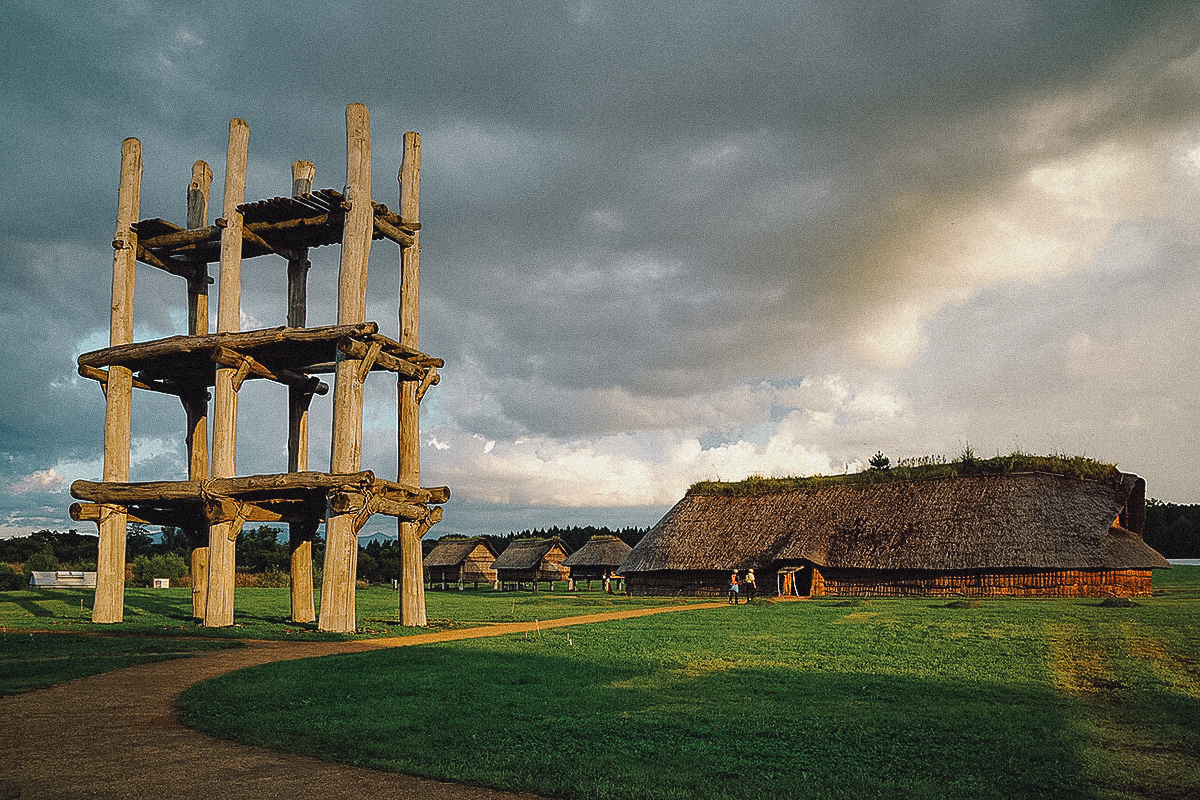
Photo by 663highland, CC BY 2.5, via Wikimedia Commons / Processed in Photoshop and Lightroom
Interestingly, the Sannai-Maruyama site was discovered by accident when surveying land to build a baseball field6. Today, it’s preserved as an open-air archaeological park and museum.
Visitors can walk among reconstructed dwellings, see original excavation areas, and explore the Jomon Jiyukan – a modern visitor center that illustrates daily life during the Jomon period.
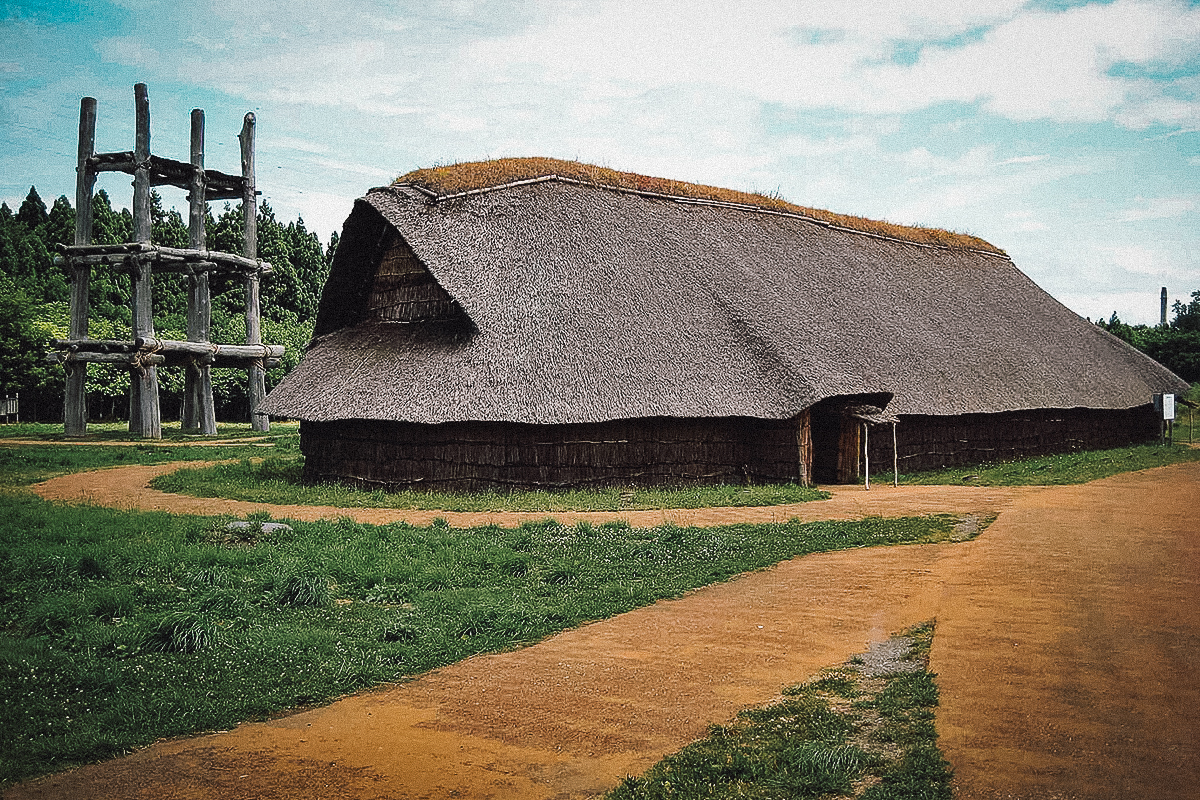
Photo by Perezoso, CC BY-SA 3.0, via Wikimedia Commons / Processed in Photoshop and Lightroom
THE FINAL SAY
While Aomori may not rank among Japan’s most dynamic cities, there’s no denying it offers a surprisingly wide variety of fascinating museums, all of which you can easily visit in a single day. Whether you’re interested in art, history, gastronomy, culture, or archaeology, a visit to Aomori will certainly be worth your while.
Disclosure
Some of the links in this article on the coolest museums in Aomori are affiliate links, meaning we’ll make a small commission if you make a booking at no extra cost to you. As always, we only recommend products and services that we use ourselves and can personally vouch for. We really appreciate your support, as this helps us make more of these free travel guides. Arigato gozaimasu!
References
1. Aomori Nebuta Matsuri. Wikipedia. (2008, June 6).
2. Nebuta Matsuri. japan-guide.com. (2025, June 2).
3. Ye, Bridget. Memorial Ship Hakkoda-Maru. JapanTravel. (2016, July 26).
4. Hakkodamaru Memorial Ship. japan-guide.com. (2025, January 10).
5. Sannai Maruyama Site. JTA Sightseeing Database.
6. Bergstrom, Kim. Sannai-Maruyama Historical Site. JapanTravel. (2018, December 10).
