June 5, 2025
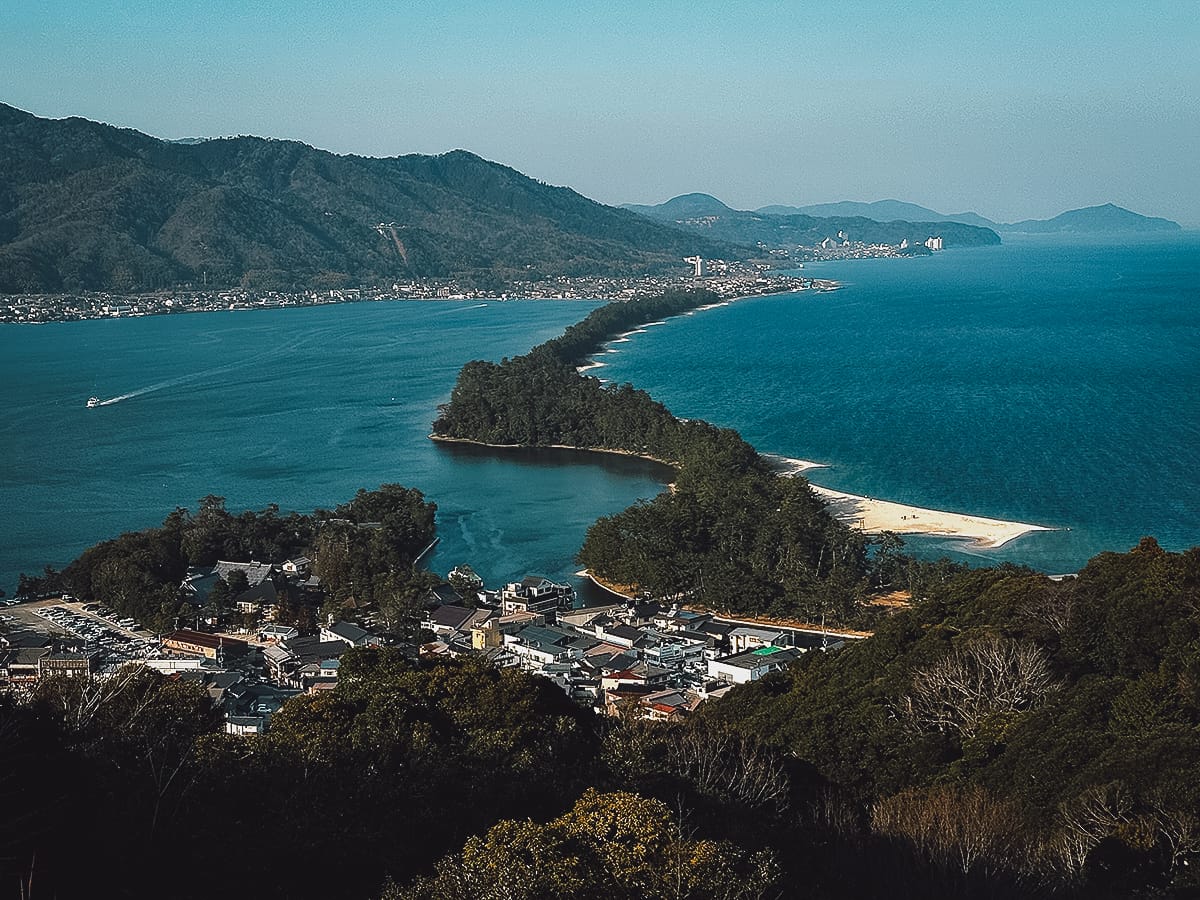
This Way to Amanohashidate
The name Amanohashidate comes from a Shinto creation myth featuring the celestial deities Izanagi and Izanami.
KEEP READING
June 5, 2025
The name Amanohashidate comes from a Shinto creation myth featuring the celestial deities Izanagi and Izanami.
KEEP READING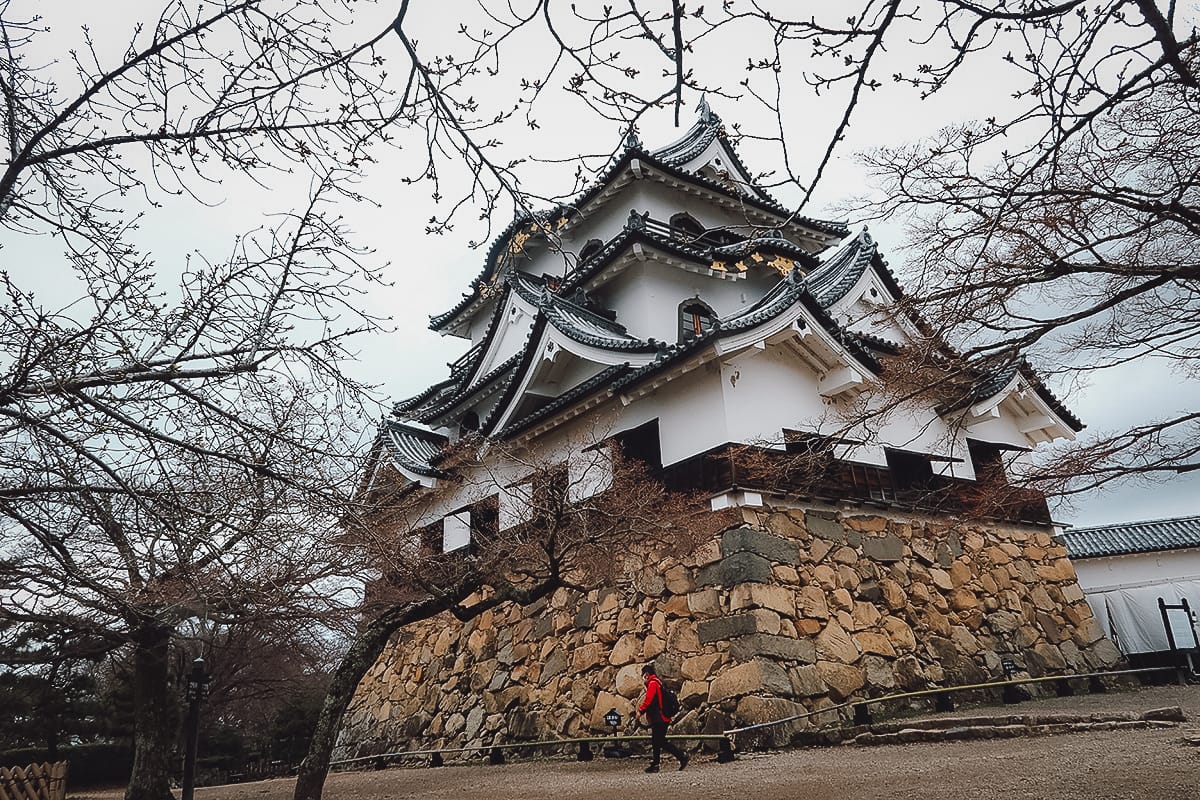
May 31, 2025
The JR West Kansai Area Pass is a rail pass that allows foreign tourists unlimited travel on JR trains and local JR buses in designated areas within the Kansai region.
KEEP READING
May 28, 2025
When many people think of Japan, two cities often come foremost to mind – Tokyo and Kyoto.
KEEP READING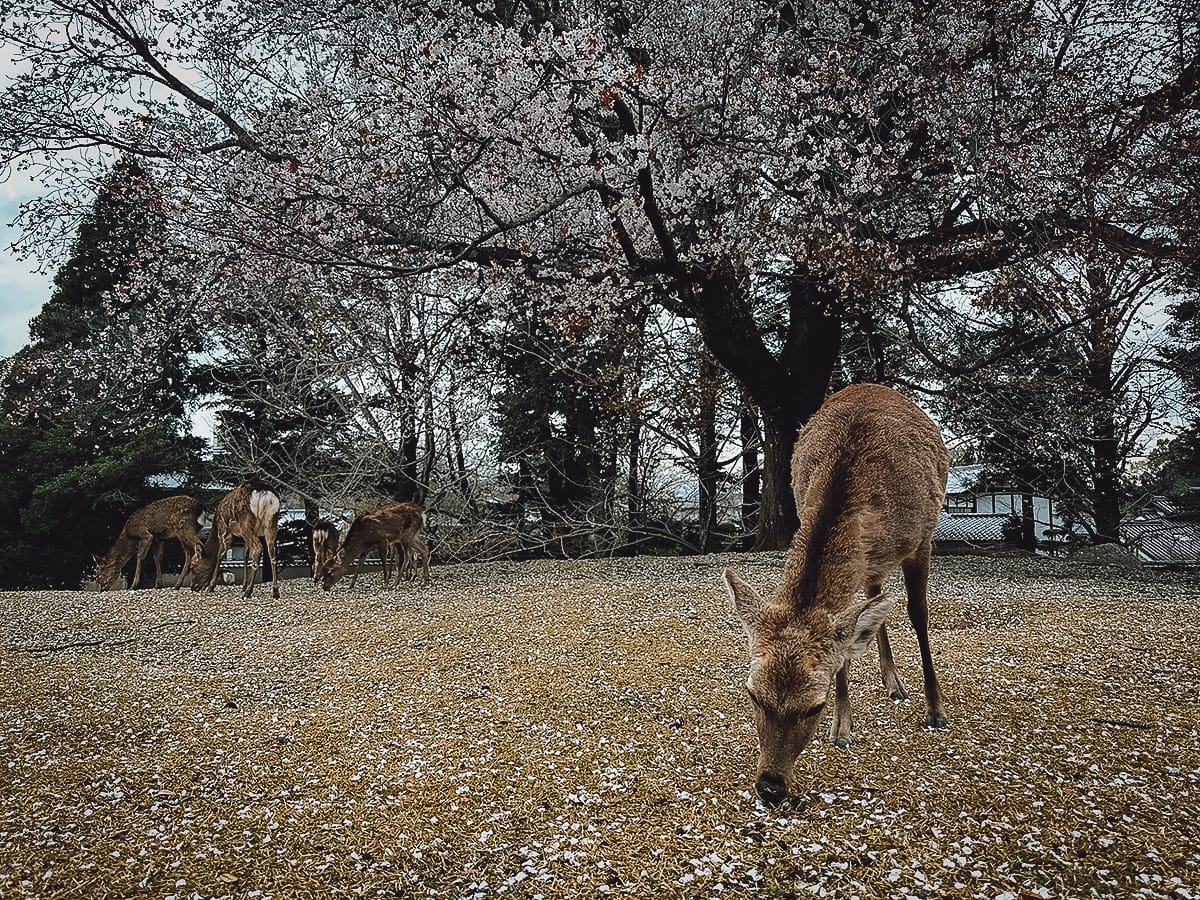
May 21, 2025
"You don't need to stay the night in Nara. You can just visit on a day trip from Osaka or Kyoto."
KEEP READING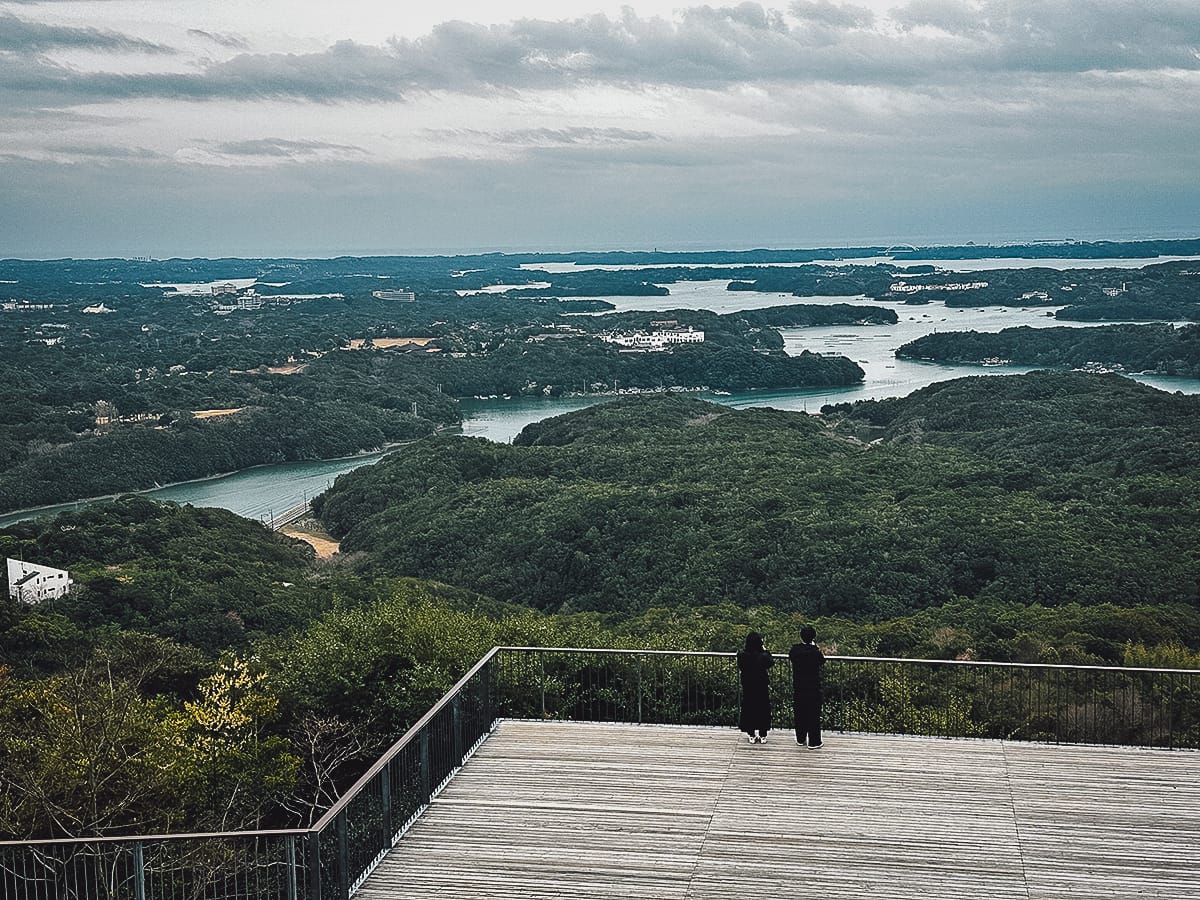
May 14, 2025
The Kintetsu Rail Pass is a rail pass offering foreign tourists unlimited travel on trains (except limited express trains) by Kintetsu Railways.
KEEP READING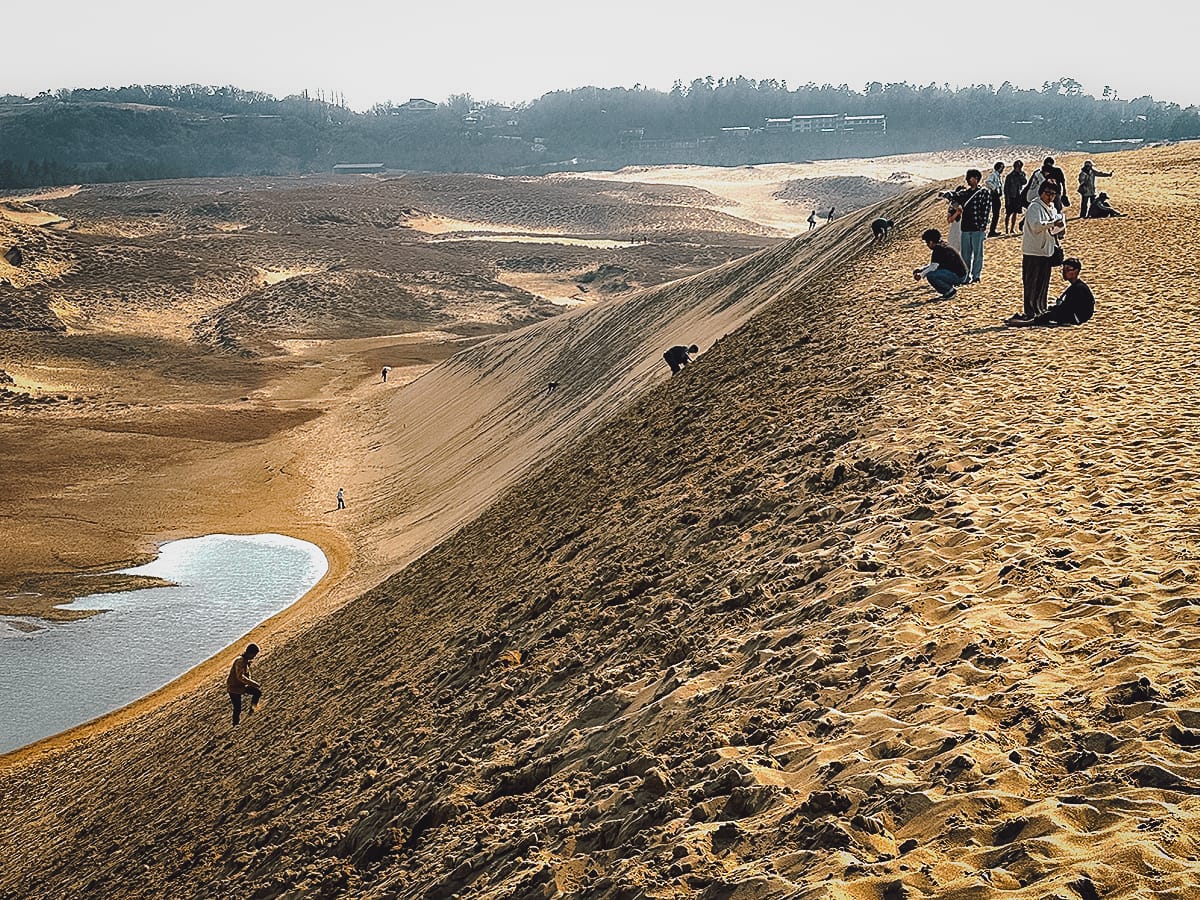
May 5, 2025
The JR West Kansai Wide Area Pass is a rail pass that allows foreign tourists unlimited travel in the Kansai region for five (5) consecutive days.
KEEP READING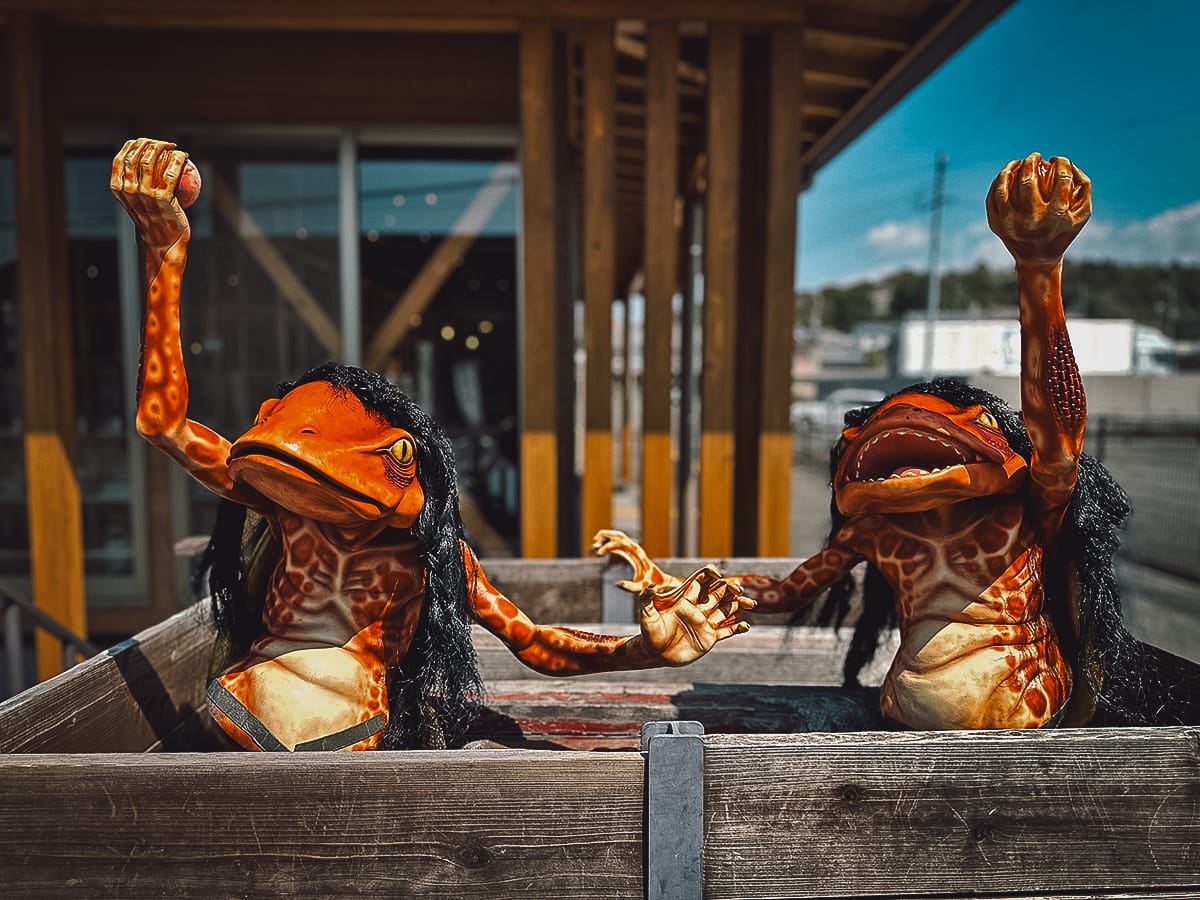
April 29, 2025
In Japanese folklore, the term "yokai" refers to a broad class of supernatural beings and phenomena like monsters, ghosts, demons, and spirits.
KEEP READING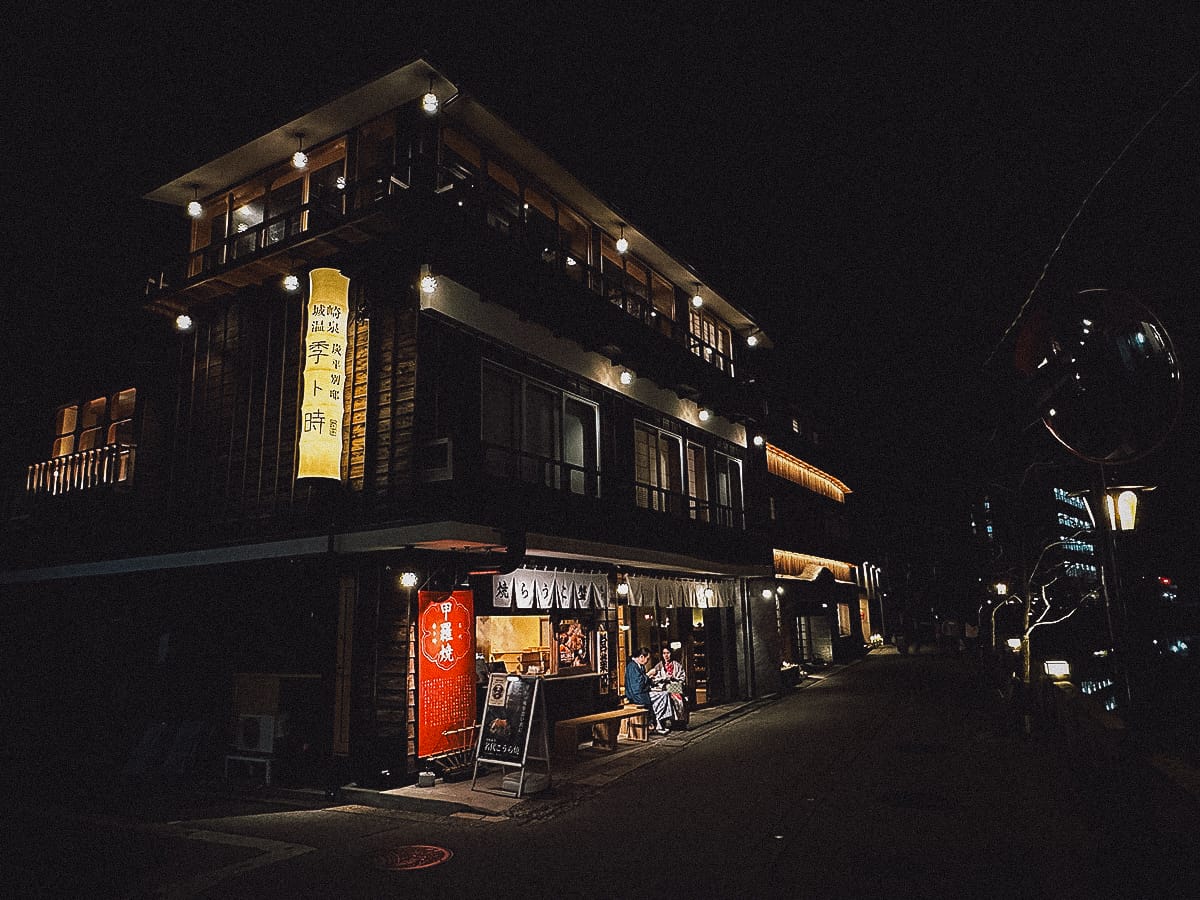
April 27, 2025
Kinosaki Onsen is a hot spring town in northern Hyogo Prefecture, near the coast of the Sea of Japan.
KEEP READING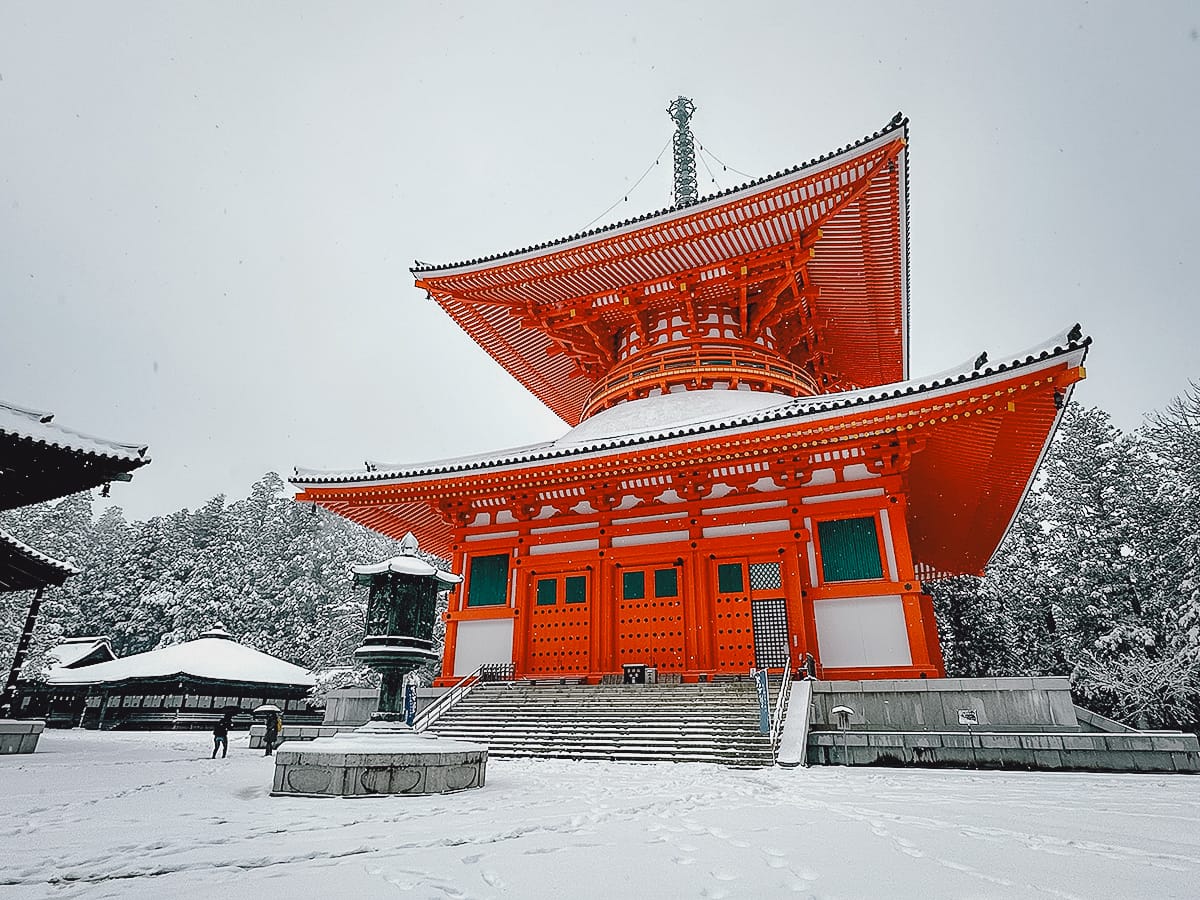
April 23, 2025
Hidden in the mountains of Wakayama Prefecture, Koyasan (Mount Koya) is one of Japan’s most sacred destinations.
KEEP READING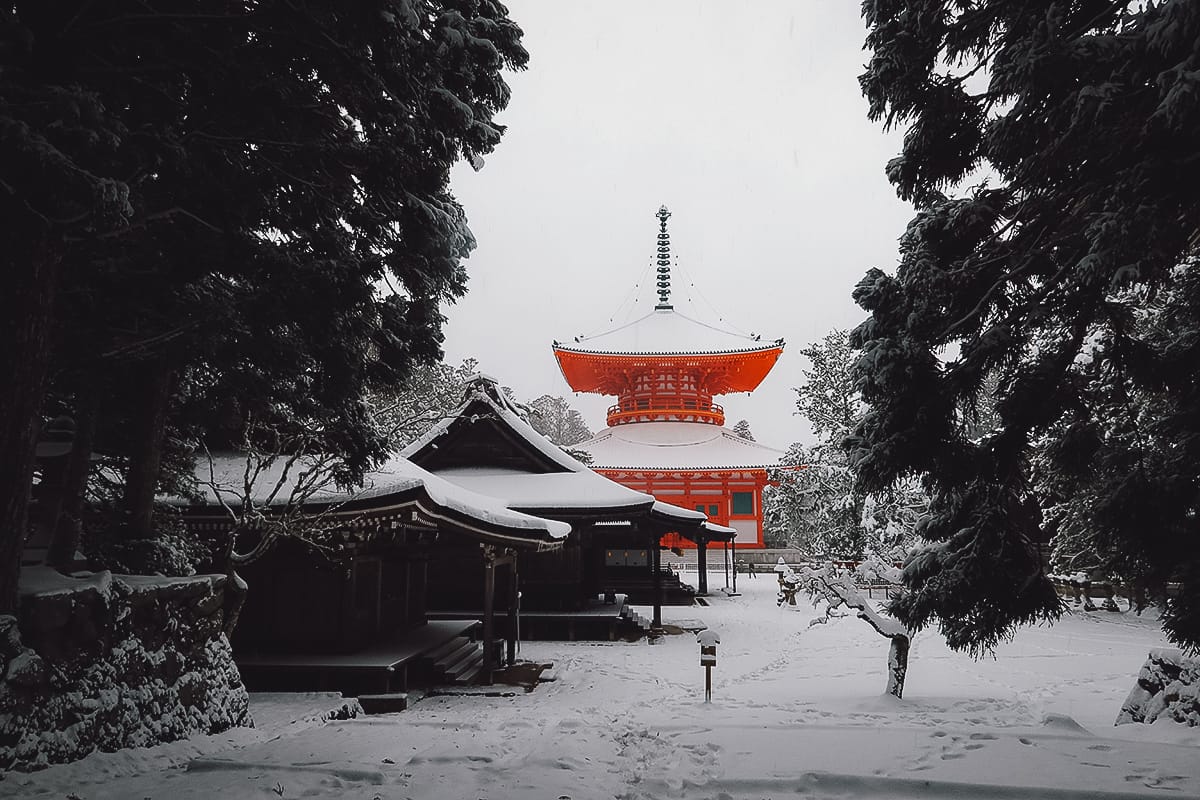
April 21, 2025
Just two hours south of Osaka, getting to Mount Koya is a breeze thanks to Japan’s efficient rail network.
KEEP READING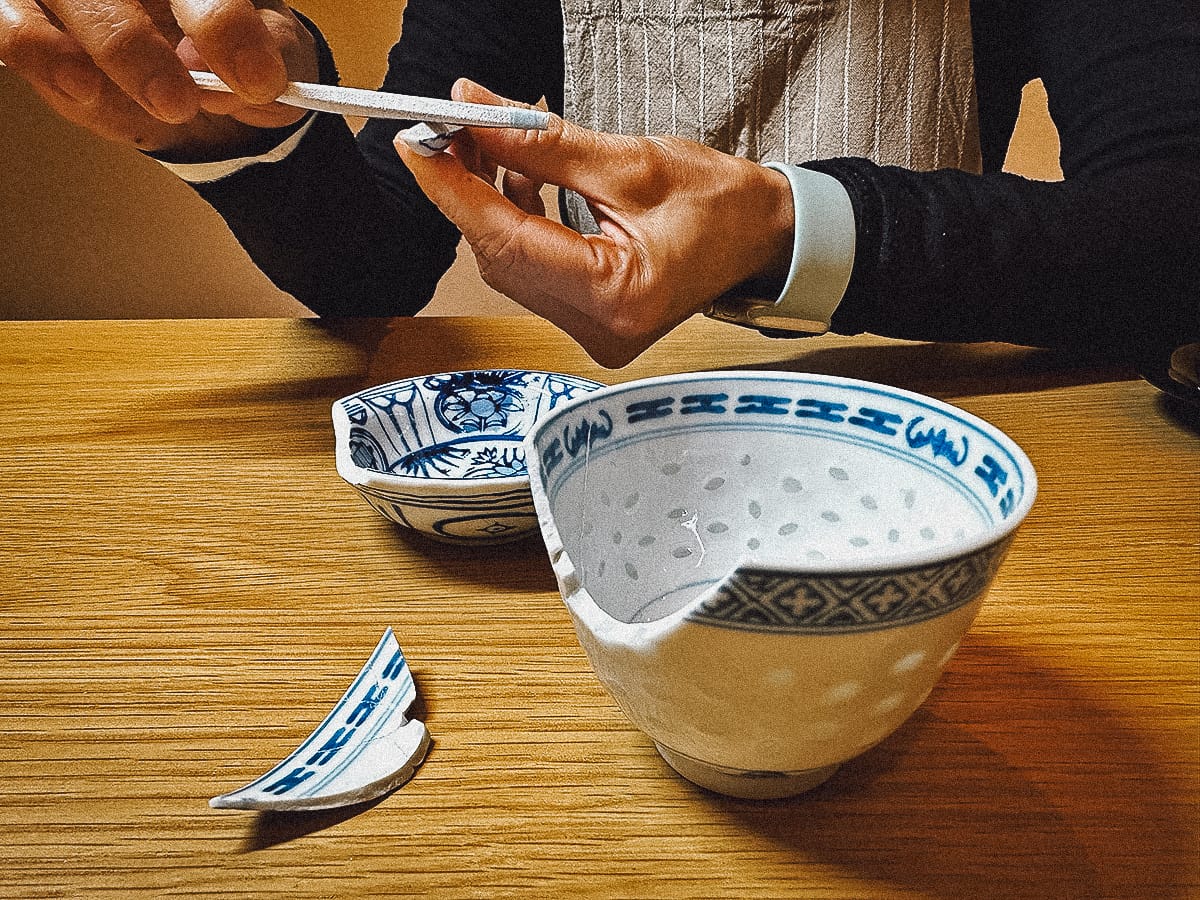
April 18, 2025
Kintsugi refers to the centuries-old Japanese practice of repairing broken pottery using urushi lacquer dusted with powdered gold, silver, or platinum.
KEEP READING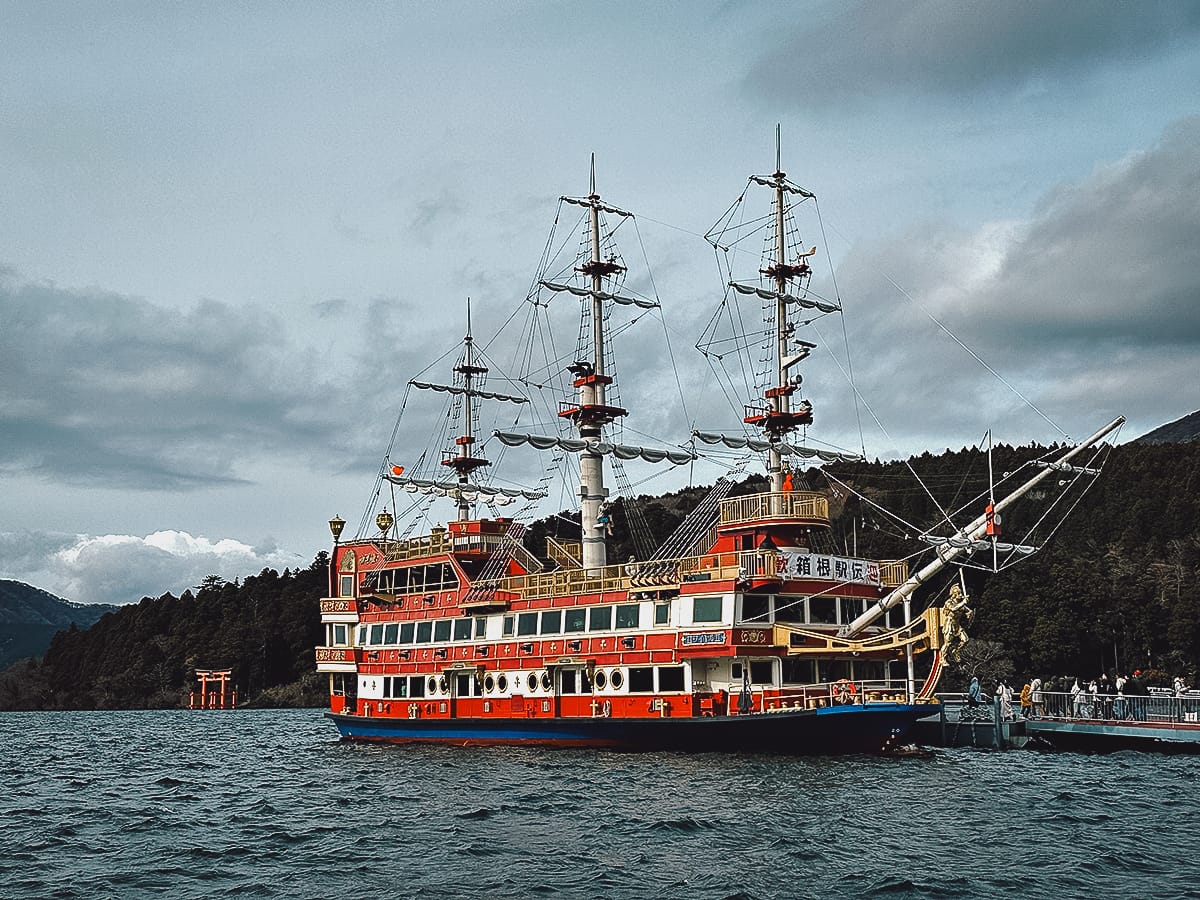
February 28, 2025
The Hakone Loop is an extensive network of trains, funiculars, ropeways, buses, and cruise ships that take visitors on a sightseeing trip around the Hakone area.
KEEP READINGI've visited almost all 47 of Japan's prefectures. I created This Way to Japan to share everything I've found with you.
