
SUMMARY HIGHLIGHTS
- Tickets to the Grand Tournament in Tokyo have a reputation for being difficult to get, but there are ways to book them online.
- In my opinion, watching a morning practice session at an active stable is one of the most exciting Sumo experiences you can have in Tokyo.
- Chanko nabe is delicious and healthier than you think.
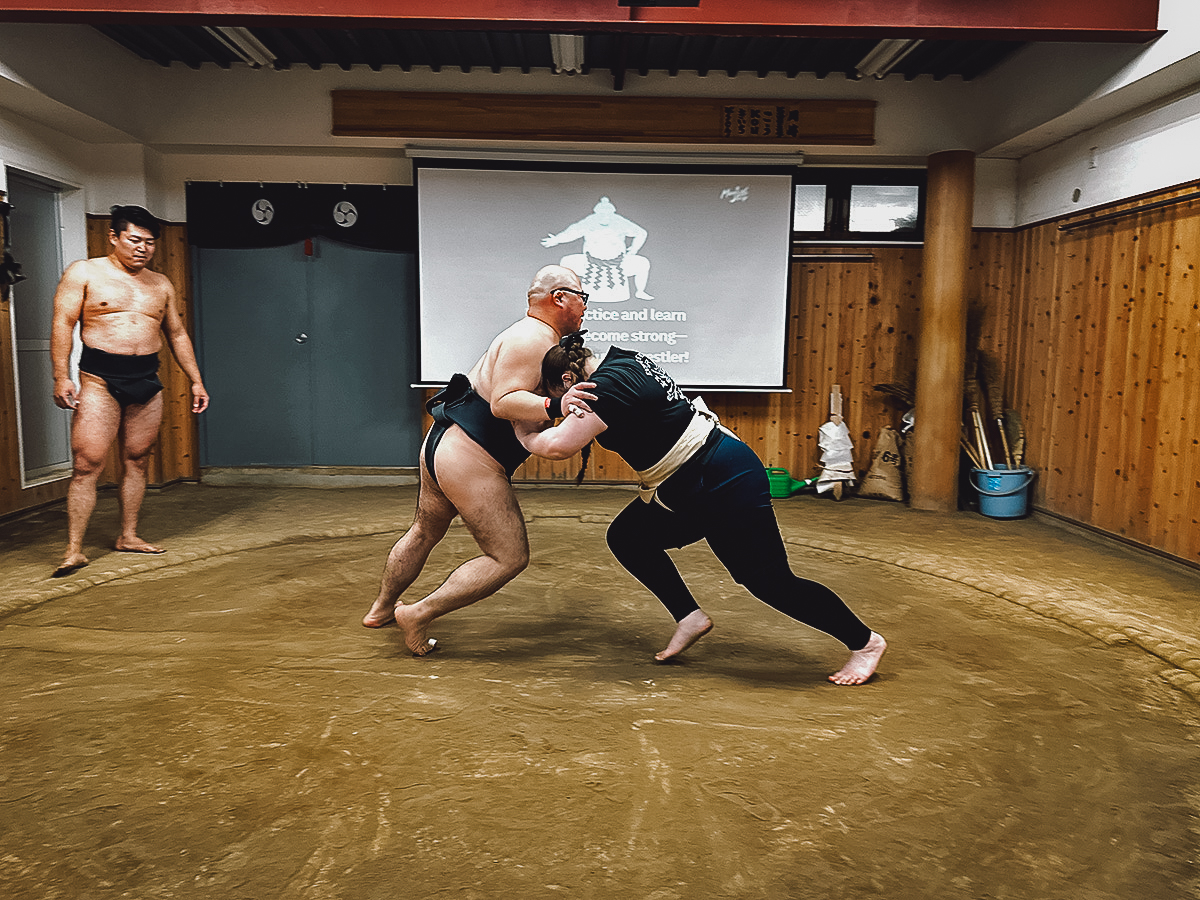
It was obvious I didn’t stand a chance. I weighed 145 pounds soaking wet, while he was easily north of 220. Our guide yelled “Hakkeyoi!” to start the match, so I gripped his mawashi with both hands and pushed with everything I had.
When he took a few steps back, I started to think I had a shot. Surely this was the part where the nice retired rishiki would let the tourist win so he could go home happy, brag to his friends about “defeating” a Sumo wrestler, and convince them to book the same experience in Tokyo.
I kept driving forward, convinced victory was mine. But just as I thought he was about to step out of the ring and take the L, the world suddenly started spinning, literally. Like a parent picking up a toddler by the waist, he lifted me by my mawashi and spun me around a few times before setting me down gently outside the dohyo.
The whole room burst out laughing. One second, I’m a step away from victory, and the next, the dude is giving me a helicopter ride. It was even funnier watching the video back, because I could hear myself squealing like a little girl the whole time I was airborne.
Admittedly, my ego was a little bruised, but it ended up being one of the most fun and memorable Sumo experiences I’ve had in Tokyo.
VISIT TOKYO QUICK LINKS
To help you make the most of your time in Tokyo, I’ve put together links to recommended hotels, tours, and other travel-related services here.
HOTELS
Recommended hotels in Shibuya, one of the most convenient areas to stay for first-time visitors to Tokyo.
- Luxury: Hotel Indigo Tokyo Shibuya
- Midrange: Sakura Fleur Aoyama
- Budget: Almond Hostel and Cafe Shibuya
EXPERIENCES
- Sightseeing Tour: Asakusa and Sensoji Walking Tour
- Food Tour: Shinjuku Food Tour
- Tea Ceremony: An Authentic Encounter with the Tea Ceremony and Chakaiseki in Ebisu
- Cultural Experience: An Experience in Japanese Culture to Take Home – Art Bonsai in Antique Pots
- Market Tour: Tsukiji Fish Market Guided Walking Tour
- Cooking Class: Cooking Classes in Tokyo
OTHER SERVICES
- Travel Insurance (non-US residents get 5% off)
- Airport Transfers: Narita Airport | Haneda Airport
- Tokyo Subway Ticket
- Japan Rail Pass
- Japan eSIM
What Is Sumo?
Sumo is Japan’s national sport and one of the country’s oldest living traditions. Many foreigners see it as little more than a form of wrestling, but Sumo is more complex than that. It combines athletic competition, ritual, history, and deeply rooted cultural customs that date back centuries.
At its core, Sumo is a combat sport in which two wrestlers, known as rikishi, face off inside a circular ring called a dohyo. A match is won by forcing your opponent out of the ring or making any part of their body, other than the soles of their feet, touch the ground1. Despite the wrestlers’ massive size, matches are surprisingly fast and explosive. Bouts can be highly tactical, even when they last just a few seconds.
For me, what makes Sumo especially fascinating is its ceremonial side. Before each match, rikishi perform traditional rituals such as throwing salt into the ring for purification and stomping on the ground to ward off evil spirits. These customs are rooted in Shinto beliefs and have remained an essential part of Sumo for generations1.
Professional Sumo in Japan is organized into a strict hierarchy, with wrestlers living and training together in communal stables known as beya (or heya). Their daily lives are highly structured, revolving around intense training, discipline, and gaining bulk – mostly from chanko nabe, a hearty hot pot dish commonly eaten by wrestlers.
Today, tourists visiting Tokyo can experience Sumo in different ways – from watching morning practice sessions and attending grand tournaments to sharing a meal with retired wrestlers or even learning a few Sumo moves themselves.
A Quick History
In this “Enter the Sanctuary” Sumo experience, our guide asked us how old we thought Sumo was. I said 500 years, thinking I was already overshooting by quite a bit, but I was way off. The first mention of Sumo can be found in a manuscript dating back to 7121, making it at least 1,300 years old.
Sumo is one of Japan’s oldest surviving traditions. Its roots can be traced back to ancient Shinto rituals, where wrestling matches were performed to pray for bountiful harvests and honor the spirits known as kami2.
JAPAN TRAVEL DEALS
Planning a trip to Japan? Enjoy up to 50% off on selected experiences and activities with Klook and Get Your Guide. Click on the links for a list of discounts, promo codes, and limited-time offers.
Although Sumo is now Japan’s national sport, for centuries it was largely confined to the ruling class and samurai.3. It wasn’t until the late 16th century that it began to emerge as a form of public entertainment.
Sumo flourished during the Edo period (1603–1867), when matches were held across Japan to raise funds for building temples, shrines, and even bridges3. During this time, Sumo began to take shape as a professional sport and became an increasingly important part of Japanese cultural identity.
Modern professional Sumo is now governed by the Japan Sumo Association, which organizes six official Grand Sumo Tournaments each year. Three of these tournaments take place in Tokyo at Ryogoku Kokugikan, often referred to as the spiritual home of Sumo.
Despite modernization, Sumo remains deeply tied to tradition. From the wrestlers’ lifestyles and strict training routines to the Shinto-inspired ceremonies performed before every match, many aspects of the sport have remained remarkably unchanged over the centuries.
ways to Experience sumo in Tokyo
Tourists visiting Tokyo can experience Sumo in a few ways. These are the ones I know of and have done so far.
WATCH A MORNING SUMO PRACTICE
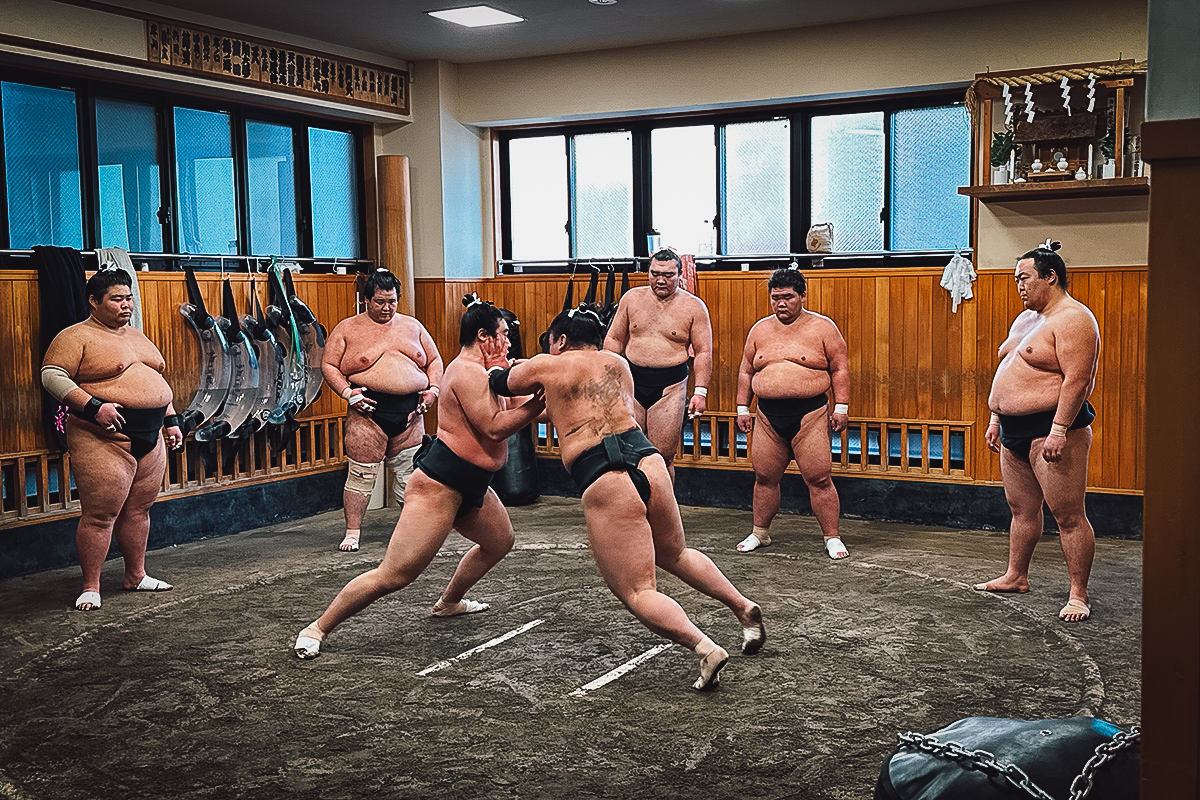
Of all the Sumo experiences I’ve had so far, this was the one I was most excited about. As special as the Grand Tournament is, for me, there’s something even more fascinating about watching rikishi train up close. Their practice sessions are incredibly intense, and seeing it in person gives you a real appreciation for the discipline and dedication they put into their craft.
These morning training sessions take place at active Sumo stables. It isn’t just a show put on for tourists. The rikishi go all out during sparring, wrestling with the same intensity and aggression you’d expect to see in an actual tournament. When their bodies collide, the impact sounds like a baseball bat slamming into a heavy bag.
You’ll be seated ringside for the roughly 2-hour session. Guests are expected to remain quiet and avoid making unnecessary noise. These training sessions are taken very seriously and must be respected.
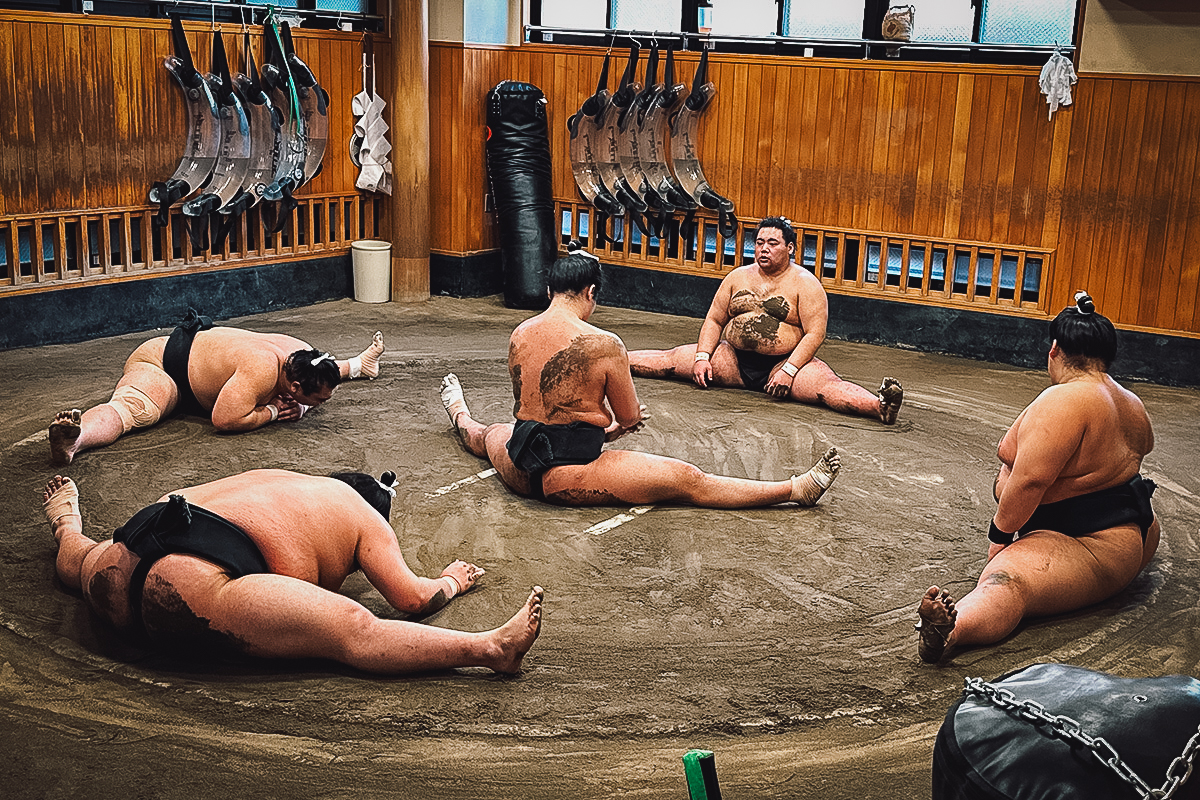
Aside from the strength and surprising speed of the Sumo wrestlers, what impressed me the most was their flexibility. At the end of the sparring sessions, they did these stretching exercises that showcased their remarkable flexibility. Every single rikishi was able to perform these splits with ease.
If you’re interested in witnessing one of these training sessions, you can book a Sumo practice tour through Get Your Guide.
WRESTLE WITH RETIRED RISHIKI
If you’d prefer to experience something less rigid and more fun, then this Sumo experience tailored for tourists may be for you. It’s essentially an all-in-one introduction to the world of sumo, covering the sport’s history, traditions, and basic techniques before giving willing guests the chance to step into the dohyo and wrestle with a retired rikishi.
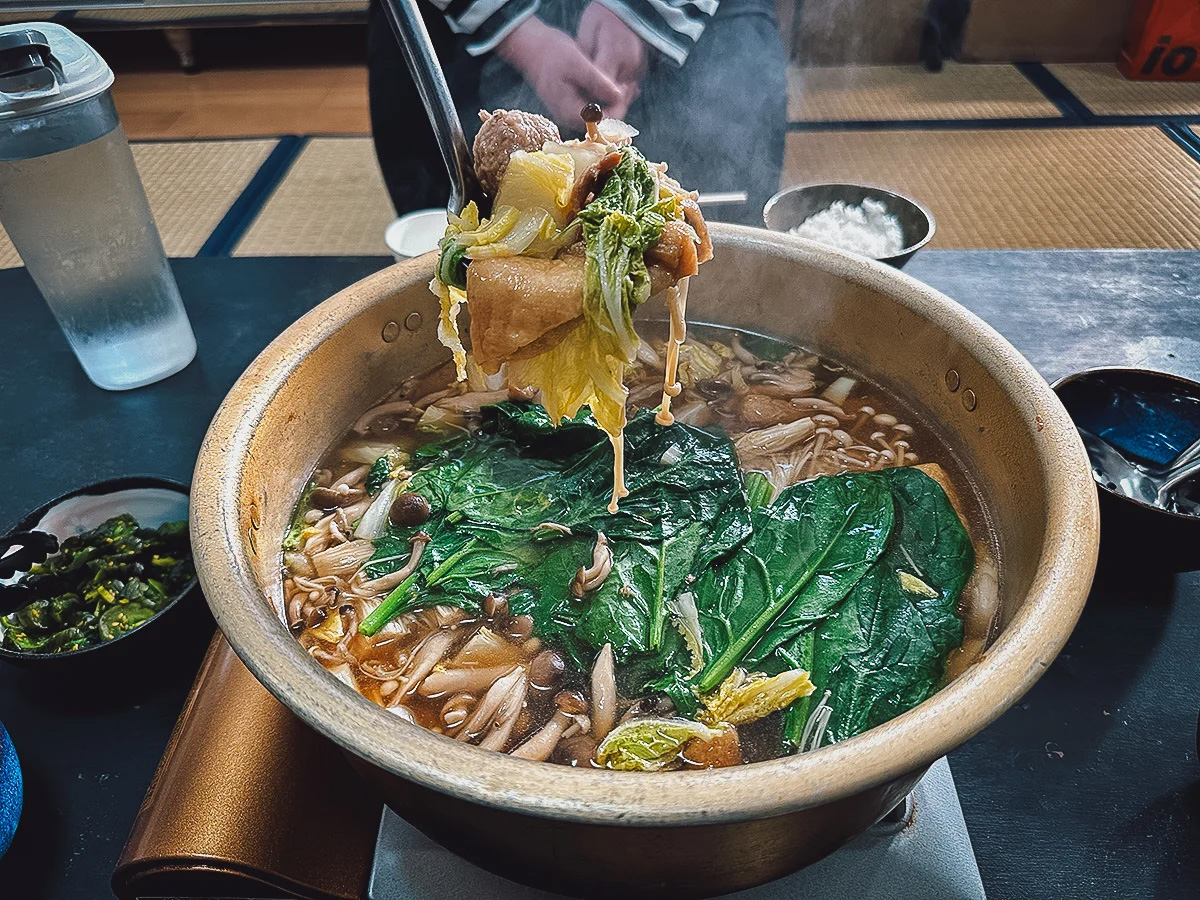
Though clearly designed for tourists, it’s still a genuinely fun and memorable experience, one that usually ends with a meal of chanko nabe – the hearty, protein-packed stew Sumo wrestlers eat to gain bulk. The wrestlers prepare it themselves, and you’ll get to sit down with them to enjoy it.
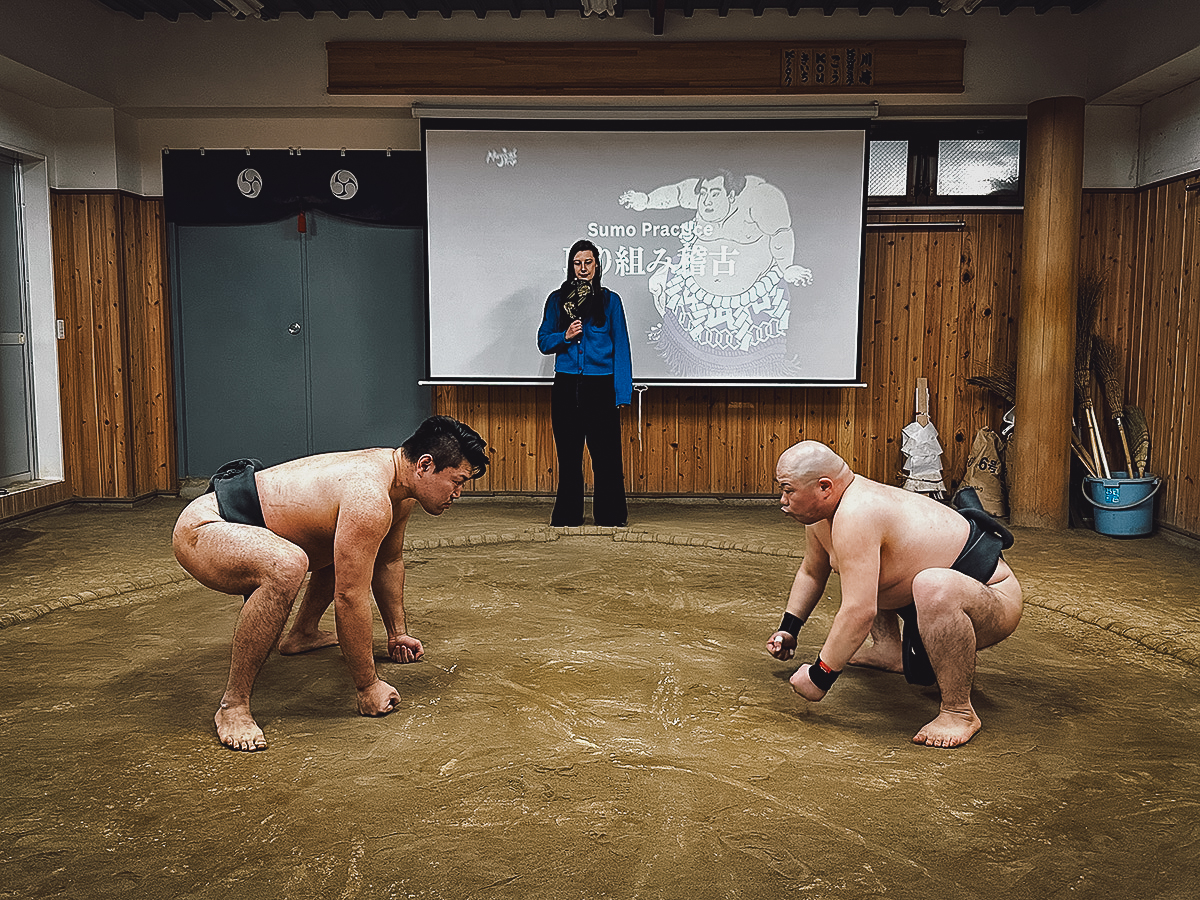
The chanko nabe was delicious, and I learned a great deal about Sumo during the tour, but clearly, the highlight was the wrestling match with a retired rikishi. It’s not every day you get to step into a dohyo and tussle with an actual Sumo wrestler, even if it is just for play. These guys are unbelievably strong.
If grappling with a Sumo wrestler is up your alley, then you can book a hands-on Sumo experience like this one through one of our trusted partners:
Magical Trip: Enter the Sanctuary – Authentic Sumo Experience in Tokyo
Get Your Guide: Train With Wrestlers and Enjoy Chanko Hotpot
EAT CHANKO NABE
Being the staple Sumo meal that rikishi lean on to add bulk, you’d think chanko nabe would be an unhealthy dish, but it really isn’t. It’s generally considered to be quite healthy – high in protein, vegetable-heavy, and packed with nutrients. Depending on the ingredients, it can be relatively low in fat.
A traditional hot pot dish, there’s no defining chanko nabe recipe as it can be made with any of the following ingredients: chicken, fish or seafood, tofu, vegetables, and mushrooms. It’s typically eaten with rice or noodles. Sounds like a balanced meal, right? What makes it associated with weight gain isn’t the stew itself, but the massive portions Sumo wrestlers eat.
According to one of my guides, rikishi usually skip breakfast before their training session. They train for hours before finally sitting down to lunch, where they eat enormous amounts of food quickly – before their brains can signal they’re full – and take a nap. This ensures they gain as much bulk as they can as efficiently as possible.
I’ve had chanko nabe twice – on this “Enter the Sanctuary” Sumo experience and during the Grand Tournament at Ryogoku Kokugikan. It’s delicious and something I would love to have again.
There are many chanko nabe restaurants you can visit around Ryogoku Kokugikan, but if you’d like to enjoy it within the context of a Sumo tour, then you may be interested in this Ryogoku tour with a chanko nabe lunch. If you like to cook, then you may be interested in this chanko nabe cooking class with sake tasting as well.
EXPERIENCE A GRAND SUMO TOURNAMENT AT RYOGOKU KOKUGIKAN
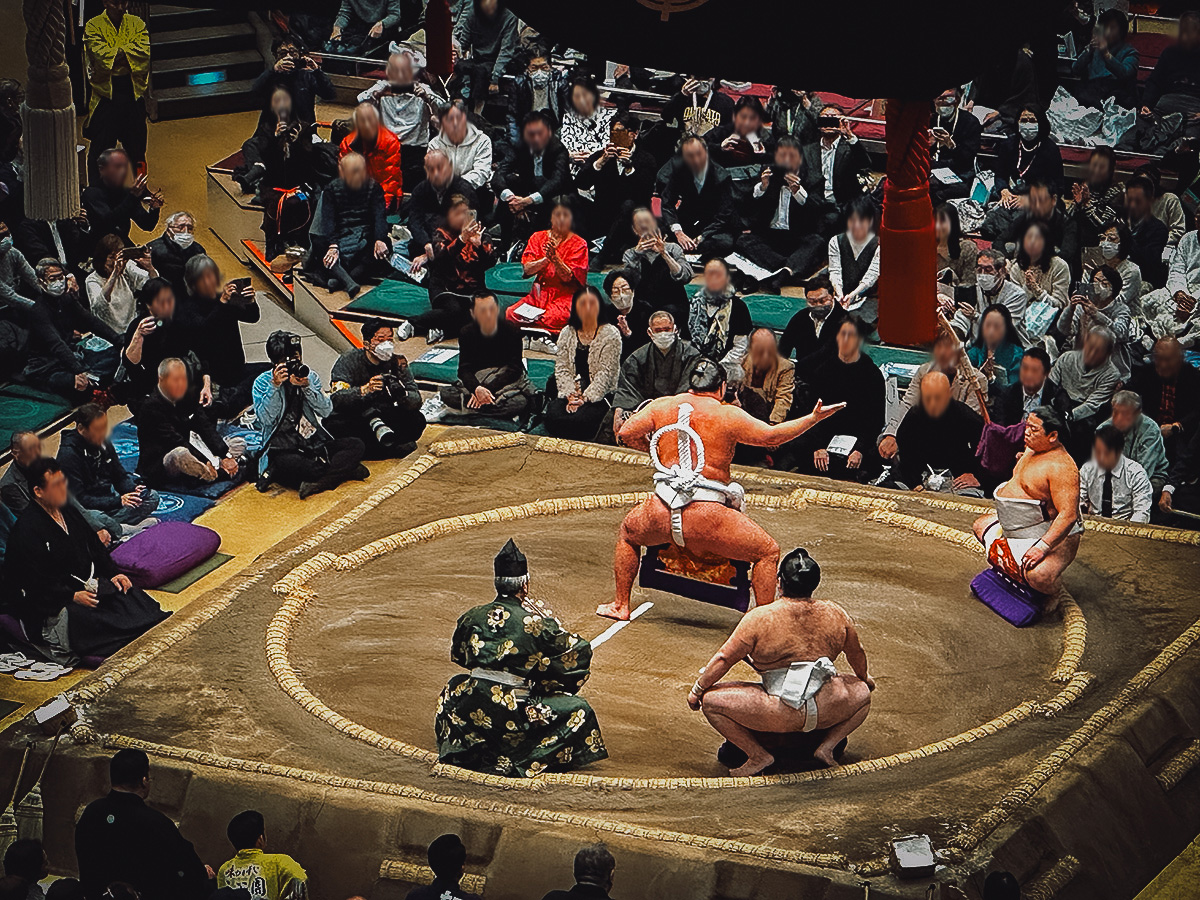
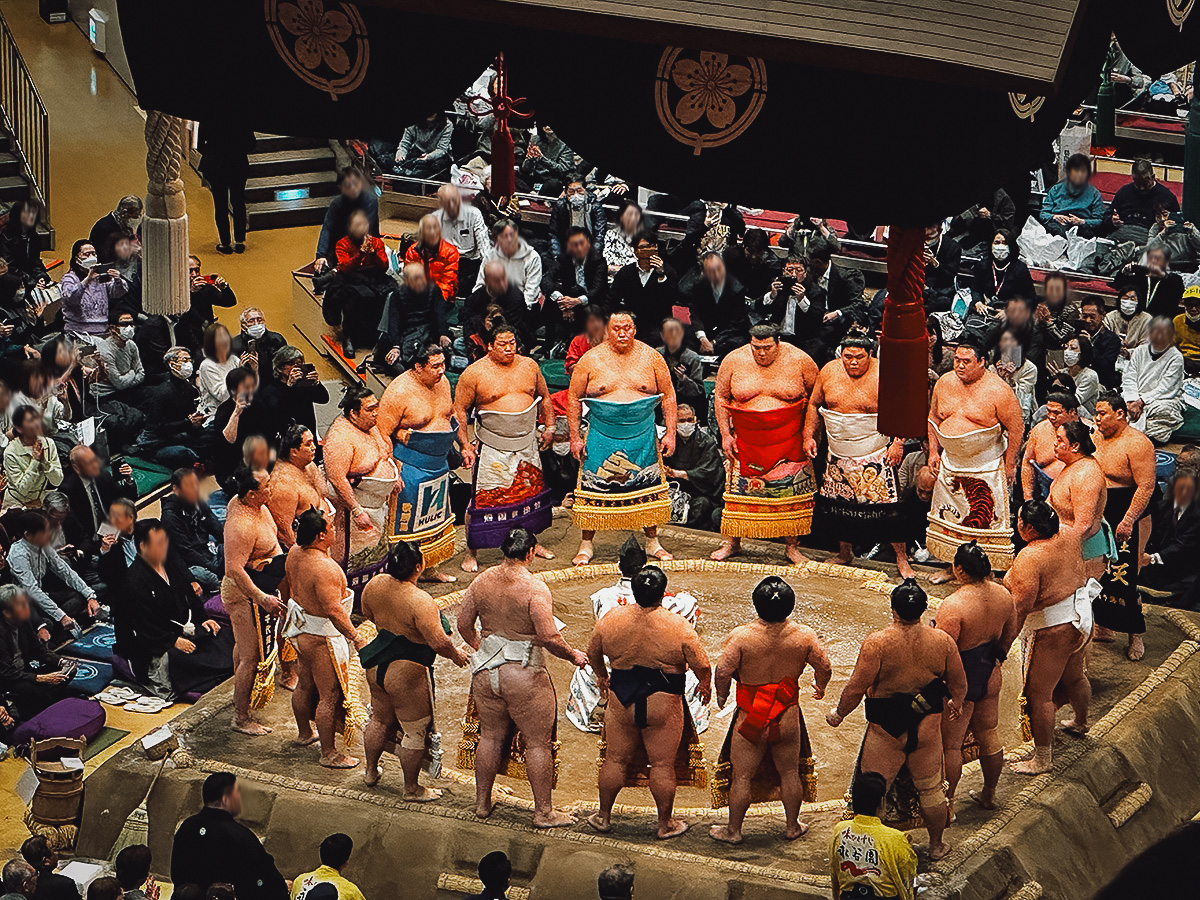
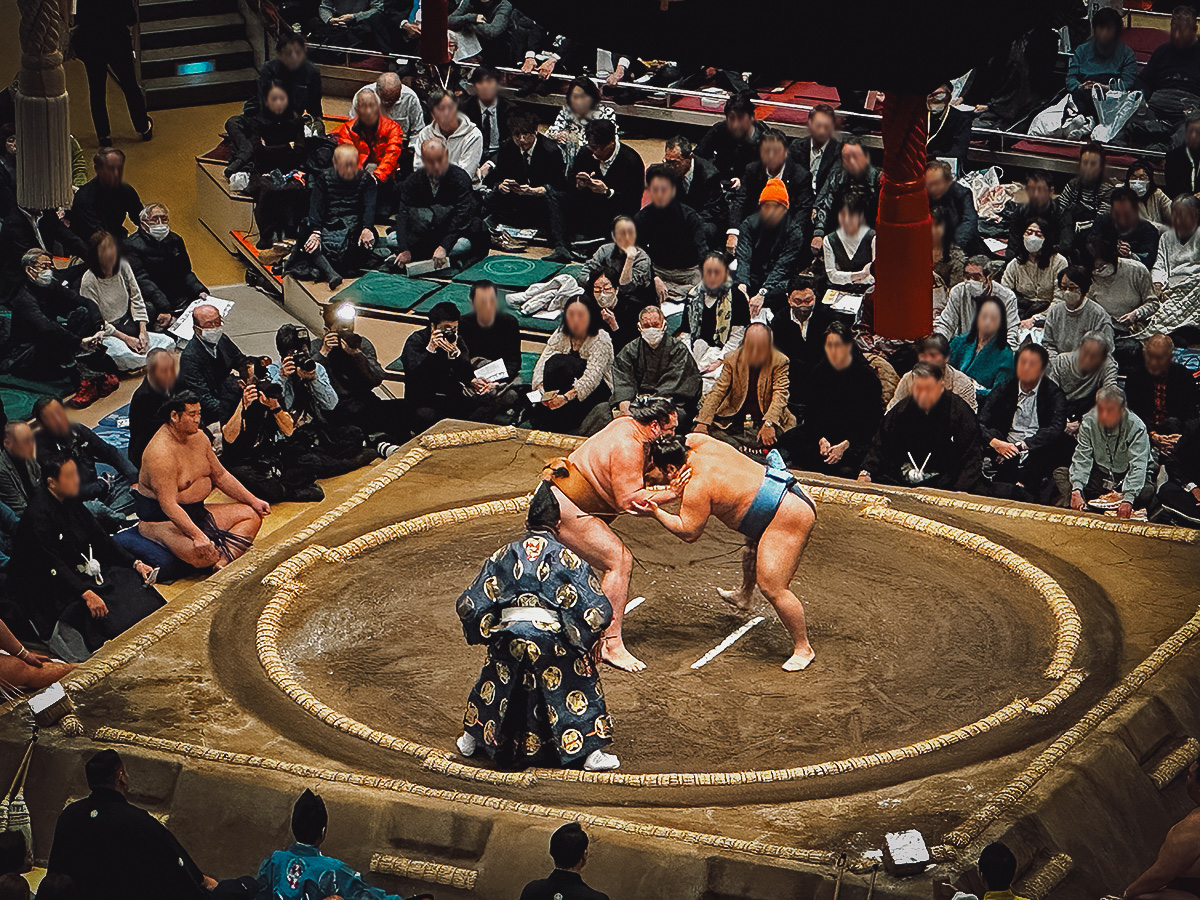
I may have enjoyed the morning practice session more, but watching the Grand Tournament at Ryogoku Kokugikan is the ultimate Sumo experience in Tokyo. Known as honbasho in Japanese, these official tournaments feature the country’s top-ranked rikishi competing over fifteen days in a packed stadium.
Tokyo hosts three of Japan’s six annual Grand Sumo Tournaments each year – in January, May, and September – all held at Ryogoku Kokugikan. A typical tournament day begins in the morning with lower-division bouts, but most spectators arrive later in the day to watch the top divisions compete.
The atmosphere is electric, especially in the afternoon when the highest-ranked wrestlers – including the yokozuna – enter the dohyo and the matches become increasingly intense.
Grand Sumo tickets in Tokyo sell out quickly and have a reputation for being difficult to get. This may be the case if you try to buy them through the official website, but I didn’t have a problem getting one through Get Your Guide a few weeks before my trip.
They offer several options, so be sure to check the Get Your Guide website around tournament time. Regardless of where you get it, I suggest trying to secure tickets as early as you can.
MAKE A QUICK STOP AT THE SUMO MUSEUM
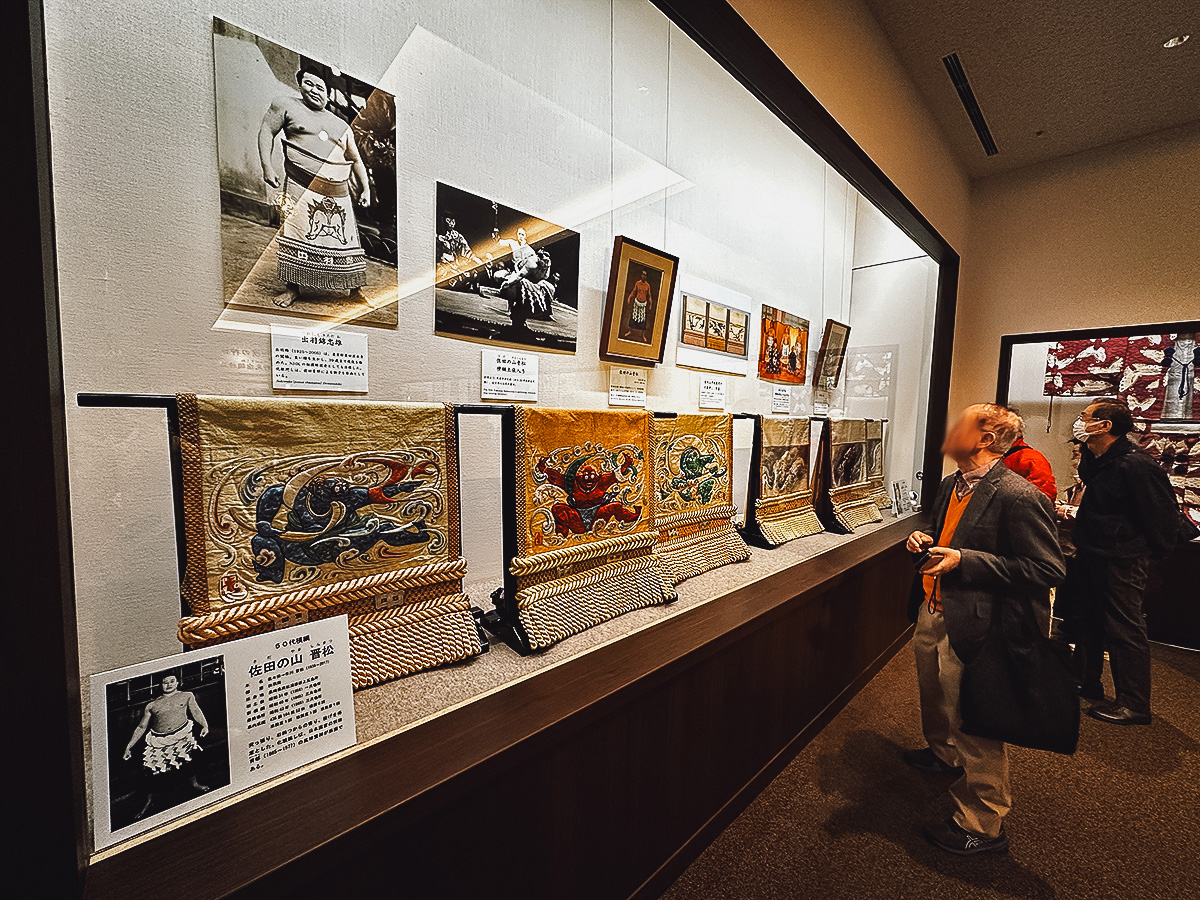
You can find this small Sumo museum inside Ryogoku Kokugikan. It consists of just one room with a few exhibits, so there really isn’t much to see.
The good news is, admission is free, so you may want to stop by if you’re already in the area. But I don’t think it’s worth making a special trip for.
Outside of tournament time, the museum is open only on weekdays and is accessible to everyone. During a tournament, only ticket holders can visit the museum.
SUMO IN TOKYO FAQs
Which Sumo experience should I book?
As much as I enjoyed the Grand Tournament, if I had to choose just one Sumo experience, I’d go with the morning training session. I really enjoyed being so close to the rikishi. The atmosphere was intense, and it felt like a privilege to be there.
Is it hard to get tickets to the grand Sumo tournament in Tokyo?
Yes, it can be, but in my experience, not so much when I booked through trusted third-party resellers like Get Your Guide.
Is watching Sumo worth it?
Yes, absolutely. It’s an important part of Japanese culture and something you can’t experience anywhere else in the world.
THE FINAL SAY
I haven’t booked a Sumo experience in Tokyo that I didn’t enjoy. Each one has been fun and unique in its own way. Even the morning training session and the encounter with the retired rikishi offer different Sumo experiences.
Personally, I preferred the morning training session, but if you’re traveling with kids, then I think the latter may offer a more memorable experience. Donning a mawashi and going head-to-head with a real Sumo wrestler is the kind of experience you’ll be talking about long after you’ve left Tokyo.
Disclosure
This article on Sumo in Tokyo contains affiliate links, meaning we’ll earn a small commission if you make a booking at no additional cost to you. We only recommend products and services that we use ourselves and firmly believe in. We really appreciate your support, as it helps us make more of these free travel guides. Arigato gozaimasu!
References
1. Sumo. Wikipedia. (2002, May 10).
2. Shinto origins of sumo. Wikipedia. (2013, June 22).
3. The History of Sumo. Web Japan.
